
- Home/
- Buy Lasix at Low Price in the United States Online
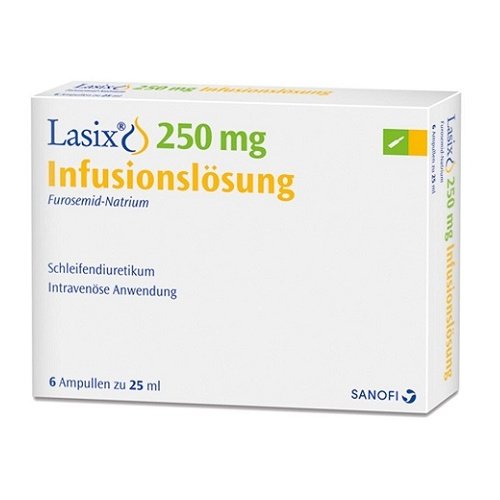
This article is for informational purposes only. Medication use is only possible after consultation with a doctor. Self-medication is dangerous to life. Consult a licensed healthcare provider in the United States before using Lasix (Furosemide) or any other medication.
Can Lasix be purchased without a prescription in the United States?
No, Lasix (Furosemide) requires a valid prescription from a licensed healthcare provider in the United States. It is not legally available over-the-counter or through unlicensed channels. Always obtain Lasix through a registered pharmacy with a prescription to ensure safety and authenticity.
Key Takeaways: What You Need to Know About Lasix in the United States
- Lasix (Furosemide) is typically prescribed to treat fluid retention (edema) related to heart, kidney, or liver conditions.
- You must have a prescription from a U.S.-licensed healthcare provider to obtain Lasix.
- Lasix acts quickly, often within an hour, but timing and results may vary by individual and condition.
- The most important safety consideration is the risk of electrolyte imbalances and dehydration—regular monitoring is essential.
- If you develop side effects such as severe dizziness, muscle cramps, or irregular heartbeat, seek medical attention immediately.
- Consult your doctor before using Lasix if you have kidney, liver, or heart issues—or if you take other medications that affect fluid or electrolytes.
How Does Lasix Work? The Science Behind Furosemide’s Effect on Edema
Lasix (active ingredient: Furosemide) is a potent loop diuretic. It acts primarily in the thick ascending limb of the loop of Henle in the kidneys. Furosemide inhibits the sodium-potassium-chloride (Na⁺-K⁺-2Cl⁻) co-transporter on the luminal membrane of renal tubular cells. This leads to reduced reabsorption of sodium and chloride, resulting in increased excretion of salt and water into the urine.[1]
By increasing urine output, Lasix reduces excess fluid accumulation in tissues (edema) and lowers blood volume, which can also decrease blood pressure. The diuretic effect typically begins within 30–60 minutes after oral administration and peaks at about 1–2 hours. The full therapeutic effect depends on kidney function and the underlying condition.
Metaphor: Think of Lasix as a faucet that opens wide to let excess water out of your system. It works independently of diet or activity, provided kidney function is adequate.
Expert Observation: Unmet Patient Expectations About Fluid Loss and Symptom Relief
In my clinical experience, many patients expect Lasix to resolve edema or swelling overnight, or to result in dramatic weight loss within a day. However, the effect is gradual for most, requiring regular doses and ongoing monitoring. Some patients are surprised to find that fatigue or muscle cramps can occur even as their swelling improves. I often notice that patients rarely inquire about how we monitor their kidney function or blood electrolytes during therapy, even though these are critical for safe use. While Lasix can provide visible relief from swelling, it is not a cure for the underlying disease, and it may require lifestyle adjustments most people do not anticipate.
How Should Lasix Be Taken? Dosing, Timing, and Duration of Effect in Everyday Use
Lasix should always be taken exactly as prescribed by your doctor. Typical oral starting doses for adults with edema range from 20 to 80 mg once daily, administered in the morning to minimize nighttime urination. In some cases, the dose may be split into two daily administrations. The maximum recommended dose for adults is generally 600 mg per day, but such high doses are rare and only used under strict medical supervision.[2]
- Onset of Action: Usually within 30–60 minutes (oral), 5 minutes (intravenous).
- Peak Effect: 1–2 hours after oral dose.
- Duration of Effect: 6–8 hours (oral dose).
- Elderly Patients: May require lower starting doses and closer monitoring for electrolyte disturbances.
- Renal or Hepatic Impairment: Dose adjustments are often necessary.
- Tablet Splitting: Most standard Lasix tablets can be split along the scored line, but always verify with your pharmacist.
Never exceed the prescribed dose, and do not stop taking Lasix abruptly without consulting your healthcare provider, as this can worsen your underlying condition or cause dangerous electrolyte shifts.
How Does Food, Alcohol, and Lifestyle Affect Lasix Therapy?
Lasix can be taken with or without food, but taking it with food may reduce stomach upset. High-fat meals may slightly delay absorption, but do not significantly impact effectiveness.
- Alcohol: Combining Lasix with alcohol can increase the risk of dehydration, low blood pressure, and falls. It is generally not recommended to drink alcohol while using Lasix.
- Grapefruit Juice: No clinically significant interaction between Lasix and grapefruit juice has been documented.
- Caffeine: Can increase urination further, increasing risk of dehydration.
It’s best to maintain a consistent salt intake and avoid extreme dietary changes unless guided by your doctor. Excessive salt can counteract the effect of Lasix, while very low salt intake can increase side effects.
Who Should NOT Take Lasix? Absolute and Relative Contraindications
Some individuals must never use Lasix, while others require careful monitoring.
- Absolute Contraindications (Never Use):
-
- Severe allergy to furosemide or sulfa drugs.
- Complete urinary tract obstruction (anuria).
- Severe hypokalemia (very low blood potassium).
- Severe hyponatremia (very low blood sodium).
- Hepatic coma (late-stage liver failure with confusion/coma).
- Relative Contraindications (Use With Caution):
-
- Chronic kidney disease—may need dose adjustment and closer monitoring.
- Prostate enlargement with risk of urinary retention.
- Gout or history of high uric acid.
- Pregnancy (only if absolutely necessary and under close medical supervision).
- Severe low blood pressure or dehydration.
- Recent heart attack—risk assessment required.
- Concurrent use with certain medications (see compatibility checklist below).
Always inform your doctor about all health conditions and medications before starting Lasix.
What Side Effects Are Most Common With Lasix?
Lasix may cause a range of side effects, from mild to severe. Some are more frequent, while others are rare but potentially life-threatening.
- Very Common (>1 in 10):
- Frequent urination
- Electrolyte imbalances (low potassium, sodium, or chloride)
- Dehydration (thirst, dry mouth)
- Common (1 in 10 to 1 in 100):
- Low blood pressure (especially on standing or during hot weather)
- Muscle cramps, weakness
- Increased uric acid—may cause gout flares
- Dizziness, headache
- Elevated blood sugar (in people with or at risk for diabetes)
- Rare (<1 in 1,000):
- Hearing loss or tinnitus (especially with high IV doses)
- Severe allergic reactions (rash, swelling, difficulty breathing)
- Pancreatitis or liver inflammation
- Kidney failure (usually in those with pre-existing kidney disease)
- Blood disorders (anemia, low platelets)
- Very Rare (<1 in 10,000):
- Severe skin reactions (Stevens-Johnson syndrome)
- Sudden vision loss (extremely rare, usually in context of severe dehydration)
If you experience severe dizziness, muscle weakness, irregular heartbeat, confusion, hearing changes, or severe skin rash, stop taking Lasix and seek immediate medical care.
Lasix Compatibility with Other Medications and Products
| Product Type | Can it be combined? | Possible Consequences |
|---|---|---|
| Potassium-sparing diuretics (e.g., spironolactone) | Yes (with caution) | May help balance potassium but risk of hyperkalemia |
| ACE inhibitors/ARBs | Yes (with monitoring) | Risk of excessive blood pressure drop, kidney issues |
| NSAIDs (e.g., ibuprofen) | With caution | May reduce Lasix effect, increase kidney risk |
| Antibiotics (aminoglycosides) | With caution | Increased risk of hearing damage |
| Lithium | STRICTLY NO | Dangerous increase in lithium toxicity |
| Alcohol | Not recommended | Increased dehydration, low blood pressure |
Technical Details Table: Lasix (Furosemide) – Key Specifications
| Active Ingredient | Furosemide |
| Available Forms (U.S.) | Tablets (20 mg, 40 mg, 80 mg), Oral Solution (10 mg/mL), Injectable (10 mg/mL) |
| Typical Adult Dose (Edema) | 20–80 mg once daily (oral); individualized |
| Onset of Action | 30–60 minutes (oral); 5 minutes (IV) |
| Duration of Effect | 6–8 hours (oral) |
| Half-life | Approximately 1–2 hours (may be longer in kidney/liver impairment) |
| Storage | Room temperature (20–25°C / 68–77°F); protect from light and moisture |
| Prescription Status | Prescription only |
| Manufacturer(s) | Sanofi, Sandoz, Teva, others (generics widely available) |
What Mistakes Do Patients Commonly Make With Lasix? Real-World Pitfalls and How to Avoid Them
- Taking doses late in the day: This often leads to waking up at night to urinate, disrupting sleep. To avoid this, take Lasix in the morning unless your doctor advises differently.
- Stopping medication abruptly: Some patients stop Lasix as soon as swelling improves, risking fluid buildup and worsening of the underlying condition. Always consult your doctor before making changes.
- Not monitoring weight or symptoms: Failure to track daily weight can delay recognition of worsening edema. Check your weight every day at the same time and report any rapid gain to your doctor.
- Failing to replace lost electrolytes: Ignoring doctor’s recommendations for potassium or magnesium supplements may lead to muscle cramps, weakness, or heart issues.
- Taking Lasix with other diuretics or nephrotoxic drugs without informing a doctor: This increases risks of kidney damage and dangerous electrolyte shifts.
- Ignoring signs of dehydration: Symptoms like persistent thirst, dry mouth, or confusion should prompt immediate medical attention.
How Does Lasix Compare to Other Diuretics? Alternatives, Cost, and Clinical Differences
Here is a direct comparison between Lasix and other commonly used diuretics in the United States for edema management.
| Drug Name | Class | Onset Speed | Duration | Key Side Effects | Estimated Price (per 40mg tablet, USD, 2026) |
|---|---|---|---|---|---|
| Lasix (Furosemide) | Loop diuretic | 30–60 min (oral) | 6–8 hrs | Electrolyte loss, dehydration, low BP | $0.10–$0.40 (generic) |
| Bumex (Bumetanide) | Loop diuretic | 30–60 min (oral) | 4–6 hrs | Similar to Lasix, may be more potent per mg | $0.40–$0.90 (generic) |
| Hydrochlorothiazide | Thiazide diuretic | 2 hrs | 6–12 hrs | Electrolyte changes, gout risk | $0.05–$0.15 (generic) |
| Spironolactone | Potassium-sparing diuretic | 2–4 hrs | 12–24 hrs | High potassium, breast tenderness | $0.15–$0.40 (generic) |
Bottom line: Lasix tends to act faster than thiazide diuretics and is preferred for rapid fluid removal. However, monitoring is required for all options, and choice depends on clinical context, kidney function, and risk of side effects.
Step-by-Step: How to Obtain Lasix Safely and Legally in the United States
- Consultation: Schedule an appointment with a licensed U.S. healthcare provider (primary care, cardiologist, nephrologist, or via telehealth).
- Medical Assessment: The doctor evaluates your symptoms, performs physical examination, and may order lab tests (kidney function, electrolytes, urinalysis).
- Prescription Issuance: If indicated, your provider will prescribe Lasix, often starting at a low dose with a follow-up plan for monitoring.
- Pharmacy Fulfillment: Present your prescription at a licensed pharmacy (local or mail-order) or use a verified online pharmacy platform that requires the prescription.
- Follow-up: Your healthcare provider will arrange regular monitoring of your weight, blood pressure, kidney function, and electrolytes.
Doctor-Patient Questions: What Patients Commonly Ask at the Start of Lasix Therapy
- How will I know if Lasix is working for me?
We usually track your weight and swelling. If you notice a reduction in swelling or a gradual decrease in weight, Lasix is likely effective. You should also feel less short of breath if you had fluid in your lungs, but always report any new or worsening symptoms. - What should I do if I miss a dose?
If you realize soon after, take it as soon as possible, but skip it if it’s close to your next scheduled dose. Do not double up. If you miss doses frequently, let’s discuss a routine that fits your day better. - Is it safe to take Lasix long-term?
Yes, many people require Lasix for months or years. We monitor your labs to avoid complications. Sometimes, your dose will need to change as your condition evolves. - How often will I need lab tests while taking Lasix?
Initially, you’ll need labs every 1–2 weeks, then less often once stable. The main labs are kidney function and electrolytes, and sometimes uric acid or blood sugar. - Can I continue my exercise routine?
Generally yes, but be cautious with heavy exercise, hot weather, or sauna use, as you can get dehydrated more easily. Stay hydrated and report symptoms like dizziness or muscle cramps. - What should I tell other specialists or dentists about my Lasix use?
Always inform all healthcare providers so they can account for potential interactions or adjust treatment plans, especially before surgery or new medications. - Will Lasix interact with my current medications or supplements?
It’s important we review all your medications together. Some over-the-counter or herbal products can increase risks, especially those affecting potassium or kidney function.
Pharmacokinetics: How Is Lasix Absorbed, Distributed, and Eliminated?
Lasix (furosemide) is rapidly absorbed after oral administration, with bioavailability ranging from 50–70%. Peak plasma levels occur within 1–2 hours. It is extensively bound to plasma proteins (mainly albumin, about 95%). Lasix is metabolized minimally in the liver, and is primarily eliminated unchanged by the kidneys via urine. The half-life of furosemide is 1–2 hours in those with normal renal function but may be prolonged in kidney or liver impairment.[3]
This means people with severe kidney or liver disease may experience longer-lasting or exaggerated effects, requiring dose adjustment and more frequent monitoring.
What About People with Chronic Illness, Elderly Patients, or Those Planning a Family?
- Chronic Kidney or Liver Disease: Requires lower starting doses, slower titration, and close lab monitoring due to increased risk of toxicity.
- Elderly: More sensitive to dehydration and electrolyte imbalances; greater risk of fainting and falls.
- Heart Failure: Often benefit from Lasix, but must be monitored for kidney function and potassium loss.
- Pregnancy and Breastfeeding: Use only if clearly needed and prescribed. Lasix can suppress lactation and may affect fetal growth.
- Driving and Machinery: Dizziness and low blood pressure can impair reaction times; avoid activities requiring full alertness until you know your response.
- Fertility: No direct evidence that Lasix impairs fertility, but electrolyte imbalances can affect menstrual cycles and sperm health.
Myth vs Reality: Is Lasix a “Water Pill” That Works Instantly for Every Cause of Swelling?
- Myth: Lasix works instantly and is effective for all forms of swelling.
- Reality: Lasix only removes fluid caused by underlying heart, liver, or kidney issues. It does not treat swelling from injury, infection, or lymphedema.
Original Lasix vs Generics: What Should U.S. Patients Know?
Now that the original Lasix patent has expired, generic furosemide is widely available and FDA-approved in the United States. Generics contain the same active ingredient, but may have different inactive ingredients (excipients) that can, rarely, cause allergic reactions or taste differences.
- Advantages of Generics: Substantially lower cost, identical clinical effectiveness, and broad insurance coverage.
- Quality Assurance: All generics approved by the FDA must meet strict standards for purity, potency, and manufacturing quality.
- Possible Disadvantages: Rare risk of reaction to an excipient, or minor variation in absorption for sensitive individuals.
Bottom line: For most patients, generic furosemide is as safe and effective as brand-name Lasix, and is the standard of care in the United States.
How to Identify Genuine Lasix and Avoid Counterfeits in the United States
Counterfeit medications pose significant risks, especially via unlicensed online sellers or “grey market” imports. Here’s how to recognize authentic Lasix:
- Packaging: In the U.S., Lasix comes in blister packs or pharmacy bottles, labeled with the manufacturer’s name (Sanofi-Aventis for branded, or a well-known generic manufacturer).
- Tablet Appearance: Lasix tablets are usually white, round, and scored. Each bears the strength engraved (e.g., “Lasix 40” or “TEVA 2043” for generics).
- Security Features: Look for tamper-evident seals. Some pharmacies also provide QR codes or holograms on the packaging (especially for branded Lasix).
- Labeling: U.S. labeling includes lot number, expiration date, and NDC (National Drug Code).
- Price: An unusually low price is a warning sign—counterfeiters often lure buyers with discounts far below market rates.
Generics are not counterfeits. They are FDA-reviewed versions with identical active ingredients, but avoid purchasing even generics from unverified sources.
Online Pharmacy Safety in the United States: How to Spot and Avoid Risks
- Use Pharmacies Verified by NABP: Legitimate U.S. online pharmacies display the NABP’s Verified Internet Pharmacy Practice Sites™ (VIPPS®) seal.
- Prescription Required: Genuine pharmacies always ask for a valid U.S. prescription.
- Check Pharmacy License: Confirm the pharmacy is licensed in your state via your State Board of Pharmacy website.
- Signs of Unregulated Sellers: No prescription required, prices “too good to be true,” shipping from outside the U.S., or lack of clear contact information.
- Consumer Protection: U.S. regulations protect buyers only when using licensed pharmacies. Purchases from unverified sites risk counterfeit products, customs seizures, and legal consequences.
Overdose and Emergency Response: What to Do Immediately
- Stop taking Lasix instantly.
- Call 911 or your local emergency number if you experience severe weakness, confusion, irregular heartbeat, or cannot wake up.
- Provide the emergency team with information about the dose taken, when it was taken, and any current symptoms.
- Do not try to induce vomiting or treat yourself at home.
- Bring the medication bottle or packaging to the hospital for reference.
Quality Check: How Should My Lasix Look? U.S. Product Features
- Color: White tablets
- Shape: Round, scored for splitting
- Engraving: Strength (e.g., “40”) and manufacturer ID (e.g., “TEVA”)
- Packaging: Pharmacy-labeled bottle or blister pack with NDC and lot number
- Seals: Tamper-evident seal; some with hologram or QR code
If your product looks different or packaging is missing standard features, consult your pharmacist before taking it.
Empathy: You’re Not Alone—Managing Edema Is Common and Treatable
Edema and fluid retention are common, especially with heart, kidney, or liver conditions. Effective management is possible with appropriate medical support and consistent monitoring. If you feel overwhelmed, discuss your concerns with your healthcare provider or seek counseling—support is available, and you’re not alone in facing these challenges.
Clinical Assessment by doctor: When Is Lasix the Right Choice—and When Should We Consider Alternatives?
In my independent clinical assessment, Lasix is most beneficial for patients with heart failure, chronic kidney disease with preserved urine output, and certain cases of liver cirrhosis who present with significant fluid retention. It is also essential for some patients with acute pulmonary edema or severe hypertension requiring rapid fluid removal. However, it is less suitable for patients with advanced kidney failure who do not produce urine, or those with chronic low blood pressure or a history of severe dehydration. In individuals prone to gout, we may opt for alternatives or use lower doses alongside uric acid management. If patients experience repeated electrolyte imbalances or cannot tolerate the side effects, thiazide or potassium-sparing diuretics may be preferable, or we might need to consider non-pharmacologic fluid management options. The key is individualized treatment—Lasix is rarely a “one size fits all” solution, and periodic reassessment is crucial.
FAQ: Answers to Popular Questions About Lasix in the United States
- How quickly does Lasix work?
- Lasix usually starts to work within 30–60 minutes after oral administration, with peak effects at 1–2 hours. Intravenous forms act within minutes.
- Is Lasix safe to use without a prescription?
- No, Lasix is only available by prescription in the United States. Using it without medical supervision can cause dangerous complications, including kidney failure and life-threatening electrolyte imbalances.
- What are the most common side effects of Lasix?
- Frequent urination, dehydration, low potassium, low sodium, muscle cramps, dizziness, and sometimes increased uric acid or gout.
- Can I drink alcohol while on Lasix?
- It’s best to avoid alcohol, as it can worsen dehydration and low blood pressure when combined with Lasix.
- Are there cheaper alternatives to Lasix?
- Yes. Generic furosemide is very affordable in the U.S.—often $0.10–$0.40 per tablet. Other classes of diuretics may also be considered depending on your condition.
- Can Lasix be delivered or shipped to my home?
- Yes, most U.S. pharmacies and verified online pharmacies offer home delivery for prescription medications. A valid U.S. prescription is required.
- How long will I need to take Lasix?
- The duration depends on the underlying cause of your edema. Some require short-term courses, but many people with chronic heart, kidney, or liver disease need long-term therapy.
- What should I do if I develop side effects on Lasix?
- Contact your doctor immediately if you experience severe dizziness, irregular heartbeat, confusion, muscle cramps, or skin rash. Less severe effects should still be reported at your next visit.
- Is it safe to use Lasix for weight loss?
- No, using Lasix solely for weight loss is dangerous and not medically indicated. It may cause serious health risks without long-term benefit.
- Can I buy Lasix over the counter in the U.S.?
- No, it is not legally available without a prescription.
References
- U.S. Food & Drug Administration. Lasix (Furosemide): Drug Information. Accessed 2026.
https://www.fda.gov - Mayo Clinic. Furosemide (Oral Route) – Proper Use, Side Effects. Accessed 2026.
https://www.mayoclinic.org - Kotecha, D., et al. “Loop diuretics in heart failure: pharmacology, efficacy, and safety.” The Lancet, 2023.
https://www.thelancet.com - American Heart Association. “Managing Edema: Diuretics and Heart Failure.” Accessed 2026.
https://www.heart.org - National Association of Boards of Pharmacy (NABP) – Safe Pharmacy. “Find Safe Pharmacy.” Accessed 2026.
https://safe.pharmacy - ClinicalTrials.gov. “Lasix (Furosemide) Studies.” Accessed 2026.
https://www.clinicaltrials.gov - PubMed. “Furosemide: Mechanism of action and clinical experience.” Accessed 2026.
https://pubmed.ncbi.nlm.nih.gov