
- Home/
- Buy Clomid Online in the United States – Fast Shipping Available
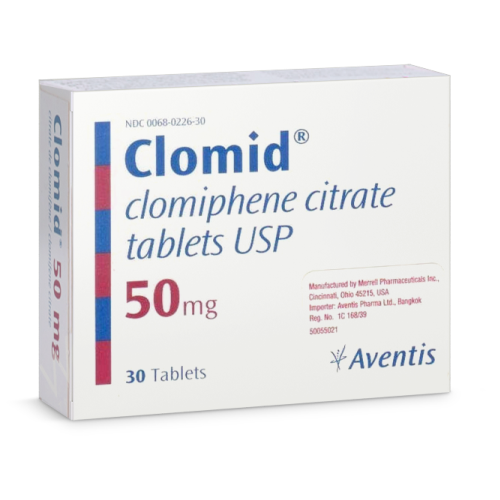
Clomid (clomiphene) is a prescription medication in the United States designed to help women overcome certain types of infertility by stimulating ovulation. For many, it’s the first treatment tried before more intensive options like injectable hormones or IVF. The most important thing to know: while Clomid is often highly effective, the way it works—and feels—varies from woman to woman, so real-world expectations and side effects matter as much as the statistics.
Clomid in Real Life: Why Do So Many Doctors Start Here?
Picture the moment: you’ve been trying to conceive for months—maybe years—and suddenly, you’re handed a prescription for Clomid. Not an IVF referral, not an overwhelming package of syringes, but a bottle of tablets. There’s relief. There’s hope. And, if you’re like most women in this position, there’s also a burst of questions only half-answered in the doctor’s office.
In the United States, Clomid is the first-line fertility medication for ovulatory dysfunction—the most common cause of infertility in women. That’s not because it’s a miracle drug. It’s because for many, it’s the safest, simplest way to “give nature a nudge” before considering more invasive or expensive options. It can be prescribed by most OB/GYNs, not just fertility specialists, so it’s widely accessible. Even so, the decision isn’t as simple as “take and see.”
“Clomid is often where we begin because it offers a balance of effectiveness, low cost, and relative safety—but it’s not the best fit for every woman, and its emotional impact is often underestimated.”
- Clomid is typically prescribed for women who don’t ovulate regularly, such as those with polycystic ovary syndrome (PCOS) or unexplained infertility.
- Its track record in the US is long: approved by the FDA in 1967, it’s contributed to countless pregnancies—yet is not universally effective.
- The decision to start Clomid is rarely just clinical; it’s emotional, financial, and often the first step in a longer journey.
Clomid’s place in American fertility care isn’t just about what the data says. It’s about what actually happens in real women’s lives—and what comes next if it doesn’t work.
Does Clomid Really Work? Clinical Truths vs. Real Expectations
About 70-80% of women with certain ovulatory disorders will ovulate on Clomid. But only 30-40% will become pregnant within six cycles of treatment. Those numbers tell part of the story. The rest is about real expectations and what “success” actually means.
Ovulation induction doesn’t guarantee pregnancy. It’s possible to ovulate and not conceive for reasons unrelated to egg release: sperm issues, tube problems, uterine factors, or sheer chance. And for some, Clomid never triggers ovulation at all.
- Most US insurance plans cover Clomid prescriptions, but not always the associated monitoring or additional fertility testing.
- Women with PCOS tend to have higher ovulation rates with Clomid, but may need higher doses or more than one cycle.
- If pregnancy hasn’t occurred after six cycles, guidelines recommend moving on to alternative treatments.
For many, Clomid is less about “solving” infertility and more about clarifying the next step. It’s not a promise. It’s a test—of your body’s readiness, of your expectations, and of your next move if it doesn’t work.
How Clomid Actually Works—Beyond the Brochure
Clomid doesn’t put hormones into your body. It nudges your brain—specifically, your hypothalamus and pituitary—into releasing more of the hormones that stimulate your ovaries. Think of it as “removing the brakes” on your own hormonal cycle, not pushing the gas pedal.
- Clomiphene’s mechanism:
- Blocks estrogen receptors in the brain, tricking your body into thinking estrogen is low.
- Result:
- Your brain tells your pituitary gland to release more FSH (follicle-stimulating hormone) and LH (luteinizing hormone), which in turn stimulate your ovaries to mature and release an egg.
Compared to injectable gonadotropins (which supply hormones directly), Clomid relies on your body’s existing machinery. That’s why side effects are different, monitoring is simpler, and costs are lower. But it also means that if your ovaries or brain-hormone communication isn’t working, Clomid may fall short.
What Makes Clomid Unique?
Other medications—like letrozole, injectable FSH, or IVF protocols—use different levers. Clomid’s defining features:
- Oral, not injectable
- Lower risk of ovarian hyperstimulation syndrome (OHSS)
- Minimal monitoring compared to alternatives
- Usually prescribed by general OB/GYNs, not only fertility specialists
But its “ceiling” is real: if clomiphene doesn’t work after a few cycles, or if side effects are intolerable, another approach is needed.
The Clomid Experience: What Treatment Feels Like for Patients
Reading about Clomid’s mechanism is one thing. Taking it is another. For many women, the emotional rollercoaster—a mix of hope, anxiety, and physical symptoms—defines the experience more than any lab value.
- Physical symptoms: Hot flashes, mood swings, breast tenderness, and pelvic discomfort are common. Some women notice only mild changes; others find the symptoms disruptive.
- Emotional impact: The tension of “waiting to find out” often amplifies pre-existing stress, especially if cycles are repeated. For some, mood symptoms prompt discontinuation.
- Monitoring: US practice varies. Some doctors use ultrasound and bloodwork to monitor response; others rely on home ovulation predictor kits and timed intercourse alone.
Adherence to the dosing schedule is critical. Missing pills or mistiming doses can derail a cycle. Some women keep a fertility journal or use apps to track symptoms and cycles—this can help manage the sense of uncertainty that comes with treatment.
Should You Expect Side Effects?
About 1 in 10 women report noticeable side effects. Most are short-lived, but a minority experience significant mood changes or visual symptoms (such as blurred vision or seeing spots). These are not just “nuisance effects”—they may signal a need to stop the medication.
Which Side Effects Matter Most with Clomid—and When to Act
Every medication has risks, but Clomid’s are usually milder than the alternatives. Still, side effects matter—sometimes enough to reconsider treatment. Here’s what US patients actually report, and what requires medical attention.
- Hot flashes: Up to 1 in 5 women. Uncomfortable but rarely dangerous.
- Mood swings: About 1 in 10. Can be significant, especially if there’s a history of anxiety or depression.
- Visual symptoms: Blurred vision, spots, or flashes occur in 1–2%. These are a red flag and should prompt discontinuation.
- Ovarian cysts: Usually harmless and resolve on their own, but can rarely cause severe pain or complications.
- Multiple pregnancies: Clomid increases the chance of twins (about 7–10%) or, less commonly, triplets. Most women still conceive a single baby if successful.
Most side effects resolve when the medication is stopped. Severe or prolonged symptoms are rare. For most, the main risk is emotional—the stress of waiting, the uncertainty of results, and the fear of treatment not working.
| Side Effect | How Common? | When to Contact a Doctor |
|---|---|---|
| Hot flashes | Up to 20% | Only if severe or persistent |
| Mood changes | ~10% | If you have thoughts of self-harm or severe mood swings |
| Visual disturbances | 1–2% | Immediately—stop medication and call doctor |
| Ovarian cysts | Rare | If you have severe pelvic pain or bloating |
| Multiple pregnancy | 7–10% | Discuss risks with your doctor if pregnant with multiples |
For most women, the likelihood of a severe side effect is low. But honest communication about any new symptom makes treatment safer—and, often, more successful.
Clomid vs. The Competition: When to Switch Strategies
When Clomid works, it’s simple and affordable. But it’s not always the right answer—especially if cycles fail or side effects mount. How does Clomid stack up against other options for female infertility in the US?
| Attribute | Clomid (Clomiphene) | Letrozole (Femara) | Injectable Gonadotropins |
|---|---|---|---|
| Indication | Anovulation, unexplained infertility | PCOS, anovulation, sometimes first-line | Resistant cases or advanced fertility treatment (IUI/IVF) |
| Mechanism | Estrogen receptor blocker (brain) | Aromatase inhibitor (lowers estrogen made in ovaries) | Direct stimulation of ovaries with FSH/LH |
| Route | Oral | Oral | Injection |
| Effectiveness | 70–80% ovulation, 30–40% pregnancy (per 6 cycles) | Similar ovulation, possibly higher pregnancy in PCOS | Higher pregnancy rate per cycle, more twins/multiples |
| Risk of Multiples | 7–10% | 4–6% | Up to 25% |
| Common Side Effects | Hot flashes, mood changes, visual symptoms | Fatigue, headache, dizziness | Bloating, risk of ovarian hyperstimulation |
| Monitoring | Minimal to moderate | Minimal to moderate | Frequent ultrasounds, bloodwork |
| Prescription Needed? | Yes | Yes | Yes (usually by fertility specialist) |
| Typical Cost (US) | $10–$100 per cycle (generic) | $20–$100 per cycle | $1,000+ per cycle |
| Insurance Coverage | Often covered; varies by plan | Varies widely | Variable; sometimes excluded |
In the US, letrozole is now considered by many specialists as the first choice for women with PCOS, given recent evidence of higher pregnancy rates and fewer multiples. Yet Clomid remains the most prescribed ovulation inducer overall because of decades of experience and broad insurance coverage.
Switching strategies is about more than numbers. If Clomid hasn’t triggered ovulation after three cycles, or if side effects are intolerable, it’s time to revisit your options—not just try “one more round.” And if cost or access is an issue, ask your doctor about generic alternatives or pharmacy discount programs common in the US.
Getting Clomid in the US: What to Know About Access, Insurance, and Costs
Clomid is a prescription-only medication in the United States. You can’t legally buy it over the counter or from international online pharmacies without a US prescription—and for good reason. Safe use requires proper diagnosis and follow-up, even if monitoring is less intensive than with injectables.
- Insurance coverage: Most US commercial insurance plans cover the medication cost of generic clomiphene, but not always the cost of fertility consultations, testing, or monitoring. Coverage for brand-name Clomid is less common and may require prior authorization.
- Pricing: Generic clomiphene typically costs $10–$100 per cycle, depending on dose, pharmacy, and insurance status. Brand-name Clomid is rarely used now due to higher prices.
- Prescriber: Any licensed US OB/GYN or reproductive endocrinologist can prescribe Clomid. Some family doctors may as well, but fertility specialists are more likely to have experience with complex cases.
- Pharmacy options: In-person pickup is standard, but many retail pharmacies now offer home delivery. Online pharmacies that operate in the US and require a valid prescription are legal options, but “no-prescription” websites are not legitimate sources and could be dangerous.
What About Mail-Order or Telemedicine?
Some US-based telemedicine clinics now offer infertility consultations and can prescribe Clomid if appropriate—but only for women who have already undergone basic fertility testing. Mail-order pharmacies may save money, but always check that the service is licensed in your state and accepts prescriptions from US-licensed providers.
When NOT to Take Clomid: Red Flags and Gray Areas
- Pregnancy (even suspected—Clomid can harm a developing fetus)
- Unexplained abnormal uterine bleeding (until cause is found)
- Liver disease or a history of liver problems
- Ovarian cysts not caused by polycystic ovary syndrome (PCOS)
- Known or suspected hormone-dependent tumors (such as certain breast or uterine cancers)
- Hypersensitivity to clomiphene or any Clomid ingredient
- History of severe depression or mood disorders—Clomid may worsen symptoms.
- Visual disturbances—even mild; Clomid can make these worse.
- Enlarged ovaries or high risk for ovarian hyperstimulation syndrome (OHSS).
Sometimes, these red flags are obvious. Sometimes they’re only revealed through testing. Don’t self-diagnose or take “leftover” Clomid from a friend—a full evaluation is non-negotiable before starting, and regular follow-up is essential if you have any of these risk factors.
“There’s no ‘safe shortcut’ with Clomid. Every year, I see women who started on their own or with incomplete workups, and the result is frustration or, rarely, harm. If you’re unsure, push your doctor for clarity on whether Clomid is right for you.”
FAQ: Real Questions from Real Patients
- How soon after taking Clomid will I ovulate?
- Most women ovulate 5 to 10 days after the last dose, but this can vary. Using ovulation predictor kits or ultrasound monitoring can help pinpoint timing for conception.
- Is it safe to take Clomid more than six cycles?
- Current US guidelines recommend no more than six cycles of Clomid due to declining success rates and a slight increase in risks (like ovarian cysts or, rarely, ovarian cancer with long-term use). If you haven’t conceived after six tries, talk to your doctor about alternatives.
- Does Clomid guarantee I’ll have twins?
- No. While Clomid raises the chance of multiples, most women who become pregnant with Clomid have a single baby. The risk of twins is about 7–10%; triplets or more are rare.
- Can I get Clomid without seeing a fertility specialist?
- Yes, in the US, many general OB/GYNs are comfortable prescribing Clomid for women with clear ovulatory dysfunction. However, seeing a fertility specialist can be helpful if you have complex issues or have not conceived after several cycles.
- Are there any long-term health risks with Clomid?
- Short-term use (up to six cycles) is considered safe for most women. There is a theoretical risk of ovarian tumors with prolonged use, but evidence is limited. Discuss risks and benefits with your doctor before extending treatment.
- What if I miss a dose?
- If you miss a dose, contact your prescriber for advice. Taking two doses together is not recommended. In most cases, you’ll skip the missed dose and continue as scheduled, but check with your doctor.
- Can Clomid be used by women over 40?
- Clomid is sometimes prescribed to women in their early 40s, but pregnancy rates are lower and risks (such as multiples or miscarriage) are higher. A fertility specialist can help weigh the pros and cons for your specific situation.
- Does insurance cover Clomid in the US?
- Most commercial insurance plans cover generic clomiphene. However, coverage for fertility consultations, testing, and monitoring is variable. Always verify your coverage before starting treatment.
Sources and References
- US Food and Drug Administration (FDA)
- American Society for Reproductive Medicine (ASRM) Guidelines
- Clomiphene FAQ – Mayo Clinic
- Clomid (clomiphene citrate) Prescribing Information, Sanofi-Aventis, 2022
- PubMed Database
- Eunice Kennedy Shriver National Institute of Child Health and Human Development (NICHD) – Infertility
- CDC – Infertility
- Practice Committee of the American Society for Reproductive Medicine. Use of clomiphene citrate in women. Fertil Steril. 2020.