
- Home/
- Buy Zithromax Without Prescription in the United States Online
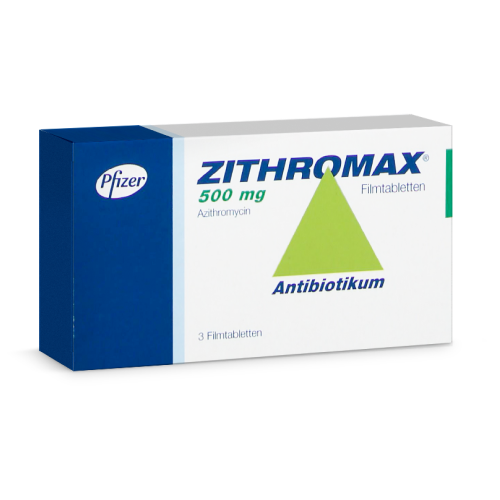
Zithromax is an antibiotic prescribed in the United States to treat a wide range of bacterial infections, from sinusitis to certain sexually transmitted diseases. Its active ingredient, azithromycin, is valued for its short treatment courses and ease of use. Before starting Zithromax, patients should know that while it’s often chosen for its convenience and tolerability, not all infections—and not all patients—are a match for this antibiotic.
A Zithromax Moment: Why This Antibiotic Is Different
Picture this: a busy parent sits in the exam room after a night of coughing, hoping for relief that won’t disrupt the next week. The doctor doesn’t hesitate: “I’m prescribing Zithromax. Five days, you’re done.” Relief, but also hesitation—why this antibiotic, and what makes it special?
Zithromax, powered by azithromycin, lives in a different lane from the classic antibiotics many patients have used before. It’s famous for its short, easy-to-remember dosing: the so-called “Z-Pak” has achieved a kind of cultural status in the United States. But that simplicity—take one pill a day, finish in five days—also leads to misconceptions about its power, its risks, and its fit for every infection.
Unlike some antibiotics that demand food restrictions, long courses, or clockwork timing, Zithromax slides easily into most routines. That convenience is a double-edged sword: patients may expect it to work for nearly anything, or underestimate its limitations. In reality, Zithromax is carefully chosen for specific situations where its pharmacologic quirks—how it distributes in tissue, how long it lingers—actually matter for success.
When Zithromax Is Chosen—and When It Isn’t
Most patients in the United States encounter Zithromax after other options have either failed, can’t be used, or simply aren’t tolerated. It’s often the first choice for certain respiratory infections, some sexually transmitted diseases, and in those with penicillin allergies. But it’s not a “broad-spectrum” catchall, and doctors weigh its use carefully.
- Azithromycin
- An antibiotic in the macrolide class, used in Zithromax to treat infections by inhibiting bacterial protein synthesis. Its long half-life allows shorter courses than most antibiotics.
- Respiratory tract infections: Zithromax is common for community-acquired pneumonia, bronchitis, and certain types of sinusitis, especially when other antibiotics may not be tolerated or have failed.
- STDs: Single-dose azithromycin (Zithromax) is still sometimes used for uncomplicated chlamydia, though guidelines are changing.
- Penicillin allergy: For patients who cannot take penicillins or cephalosporins, Zithromax may be an alternative—though not always the best one.
It’s not just what Zithromax treats, but what it doesn’t. Most urinary tract infections, certain skin infections, and many dental abscesses demand other antibiotics. Overuse of Zithromax speeds resistance and limits options for everyone.
How Zithromax Changes the Antibiotic Experience
For many, starting Zithromax feels radically different from the marathon of old-school antibiotics. The short course is liberating: fewer pills, fewer days, and often milder side effects. Azithromycin’s science makes this possible—it accumulates in tissues, fighting bacteria days after the last dose is swallowed.
But that same feature shapes expectations, for better and for worse. Symptoms may not vanish immediately; the medication is still working even when the bottle is empty. This can throw off patients used to feeling better after the first or second dose with other antibiotics.
Adherence is one of Zithromax’s superpowers. Missing a dose doesn’t spell disaster, but finishing the pack matters—stopping early invites relapse and resistance. The “Z-Pak” branding helps patients remember, but it’s the underlying pharmacology that keeps working after the last pill.
What to Really Expect: From First Dose to Last Day
The first pill goes down easily—no metallic aftertaste, no complicated food rules. Most patients tolerate Zithromax well, with stomach upset and mild diarrhea the most common annoyances. But the story doesn’t end with the last tablet.
Because azithromycin lingers in the body, side effects and symptom changes can appear late in the course or even after treatment stops. For most, this means continued improvement. For a few, it means new problems—persistent nausea, mild rash, or fatigue that outlasts the antibiotics.
- Day 1: Early symptom relief is rare, but some patients with milder infections feel better after the first dose.
- Day 3: Respiratory symptoms usually begin to ease, though cough or congestion may linger.
- Day 5 (or final day): Most patients are improving, but some side effects—loose stools, mild stomach pain—may peak now.
- Days 6–10: Even after pills are finished, azithromycin continues working; symptom improvement and side effects may continue to evolve.
One surprise for many: Zithromax, despite its reputation for “gentle” effects, can sometimes trigger allergic reactions, heart rhythm changes (rare), or severe diarrhea. Most are uncommon, but knowing what’s normal—and what’s not—prevents trouble before it starts.
Zithromax vs. The Rest: A Comparison That Matters
| Attribute | Zithromax (Azithromycin) | Amoxicillin | Doxycycline |
|---|---|---|---|
| Approved Uses (U.S.) | Respiratory infections, chlamydia, some skin infections, certain ear infections | Respiratory, sinus, ear, skin, urinary infections | Respiratory, skin, tick-borne, some STDs |
| Dosing Frequency | Once daily (typically 3–5 days) | 2–3 times daily (7–10 days) | 1–2 times daily (7–14 days) |
| Common Side Effects | Stomach upset, diarrhea, mild rash | Rash, diarrhea, allergic reaction | Photosensitivity, GI upset, esophageal irritation |
| Food Restrictions | None needed (unless GI upset) | None, though best with food if stomach upset | Take with full glass of water; avoid taking at bedtime |
| Key Contraindications | History of serious azithromycin allergy, certain heart conditions | Severe penicillin allergy | Pregnancy, children under 8, allergy |
| Prescription Requirement (U.S.) | Yes | Yes | Yes |
| Generic Availability | Yes | Yes | Yes |
| Cost (Typical U.S. Range) | $10–$30 (generic); brand higher | $4–$20 (generic) | $8–$25 (generic) |
What stands out is Zithromax’s unmatched convenience: a once-daily dose for just a handful of days. For patients with trouble remembering pills or who dread long courses, this can tip the balance. However, for many infections, especially in children or pregnant women, amoxicillin or doxycycline may be safer or more effective. Clinical judgment always trumps convenience. Insurance coverage is generally broad, but brand name Zithromax remains pricier than most generics.
Which Side Effects Matter Most with Zithromax—and When to Act
Most patients walk away from Zithromax with few complaints, but the medication’s real risk profile deserves attention. Mild diarrhea or stomach upset is common; severe reactions are rare, but can be serious if missed.
From a U.S. Infectious Disease Physician: “In my clinical experience, almost all patients tolerate azithromycin well. But the one thing I warn about is the rare risk of heart rhythm changes—especially for those with existing heart conditions or who take certain medications. If you feel faint, notice an irregular heartbeat, or have a history of heart rhythm problems, call your doctor. These events are uncommon, but they’re the ones we can’t afford to ignore.”
Long QT syndrome, a condition affecting heart rhythm, rarely shows up in the average patient, but it can be life-threatening in those who are susceptible. Severe allergic reactions—such as swelling, wheezing, or rash—can occur even if you’ve tolerated other antibiotics in the past. Diarrhea that’s watery, bloody, or persistent beyond a few days may signal a more serious issue like Clostridioides difficile infection.
| Side Effect | How Common? | When to Contact a Doctor |
|---|---|---|
| Stomach upset/diarrhea | Common (10–15%) | If severe, persistent, or with blood/mucus |
| Allergic rash | Uncommon (<1%) | If rash is widespread, blistering, or with swelling |
| Heart rhythm changes | Rare (<0.1%) | If palpitations, fainting, or chest pain occur |
| Liver dysfunction | Rare | If yellowing of skin/eyes, dark urine, abdominal pain |
| Severe diarrhea (C. difficile) | Very rare (<0.01%) | If diarrhea is severe, watery, or persists >48 hours post-treatment |
For most, these risks never materialize. But being prepared—and knowing when to reach out—makes Zithromax safer for everyone.
When Not to Take Zithromax: Warnings That Can’t Wait
Many patients assume that a “mild” antibiotic like Zithromax is always safe, but contraindications are real. Always share your complete medication list and medical history with your prescriber—especially heart medications, antiarrhythmics, or other antibiotics.
Zithromax Dosing: The Few Details That Make a Big Difference
Zithromax’s appeal rests on its simplicity, but the details matter. Dosing is not the same for every infection—or every patient. Age, weight, kidney function, and indication all influence the specifics.
| Indication | Adult Dose | Children (<18 years) Dose | Duration |
|---|---|---|---|
| Community-acquired pneumonia | 500 mg on day 1, then 250 mg daily on days 2–5 | 10 mg/kg on day 1, then 5 mg/kg on days 2–5 | 5 days |
| Sinusitis | 500 mg once daily | 10 mg/kg once daily | 3 days |
| Chlamydia (uncomplicated) | 1 g (1000 mg) single dose | Not typically recommended | 1 day |
| Strep throat (penicillin allergy) | 500 mg on day 1, then 250 mg daily on days 2–5 | 12 mg/kg once daily | 5 days |
Some infections call for single-dose therapy, while others stretch to five days. For children, weight-based dosing is standard—and should be calculated carefully. Taking Zithromax at the same time each day maximizes its effectiveness, but a missed dose can usually be taken as soon as remembered, unless it’s nearly time for the next one. Never double up doses.
Access, Cost, and Insurance: Getting Zithromax in the U.S.
Zithromax requires a prescription in the United States—there are no legal over-the-counter or online purchase pathways for prescription antibiotics according to FDA regulations (FDA). Most major pharmacy chains and independent pharmacies stock both brand name and generic azithromycin. For insured patients, generic versions are typically covered with low copays; brand name Zithromax may cost more and require prior authorization.
- With insurance: Generic azithromycin is widely covered. Bring your insurance card and prescription to any U.S. pharmacy.
- Without insurance: Generic options are relatively affordable, often $10–$30 for a full course. Discount programs may help.
- Mail-order pharmacies: Many insurers allow mail-order fulfillment, but delivery times may vary.
Some patients worry about “fake” azithromycin from unauthorized online sellers. To avoid counterfeit risk, only use licensed U.S. pharmacies. State boards of pharmacy maintain lists of legitimate outlets, and pharmacists can help verify authenticity.
Questions About Zithromax That U.S. Patients Actually Ask
- Can I stop taking Zithromax when I feel better?
- No. Even if your symptoms improve, stopping early increases the risk of relapse and contributes to antibiotic resistance. Always complete the prescribed course unless instructed otherwise by your doctor.
- Does Zithromax work for COVID-19 or viral infections?
- No. Zithromax (azithromycin) targets bacteria, not viruses. It is not effective for COVID-19, the common cold, or the flu. Clinical guidelines do not recommend its use for viral illnesses (CDC).
- What foods or medications should I avoid with Zithromax?
- Most foods are safe, but avoid taking antacids containing aluminum or magnesium within 2 hours of your dose. Let your doctor know about all medications, especially those that affect heart rhythm.
- I missed a dose—what should I do?
- If you miss a dose, take it as soon as you remember, unless it’s almost time for your next dose. Never double up. If unsure, call your pharmacist or doctor for advice.
- Why did my doctor choose Zithromax instead of amoxicillin?
- Reasons may include a penicillin allergy, the specific infection you have, or evidence that azithromycin is more effective or better tolerated for your case. Your doctor weighs these factors for each patient.
- How soon should I feel better after starting Zithromax?
- Most patients see improvement in 2–3 days, but complete recovery can take longer. If you feel worse after starting the medication or have no improvement after 3–5 days, contact your physician.
- Is it safe to take Zithromax while pregnant or breastfeeding?
- Safety data is limited. Azithromycin may be prescribed in pregnancy when benefits outweigh risks, but this is a decision for your doctor. Inform your doctor if you are pregnant or breastfeeding before starting treatment.
References
- U.S. Food and Drug Administration (FDA)
- CDC: Antibiotic Use in the United States
- Zithromax (Azithromycin) Prescribing Information, Pfizer, 2023
- Mayo Clinic: Azithromycin (Oral Route)
- Infectious Diseases Society of America (IDSA): Antimicrobial Resistance Guidelines
- World Health Organization: Antibiotic Resistance
- Azithromycin. American Society of Health-System Pharmacists. 2023