
- Home/
- Buy Antabuse Without Prescription in the United States Online
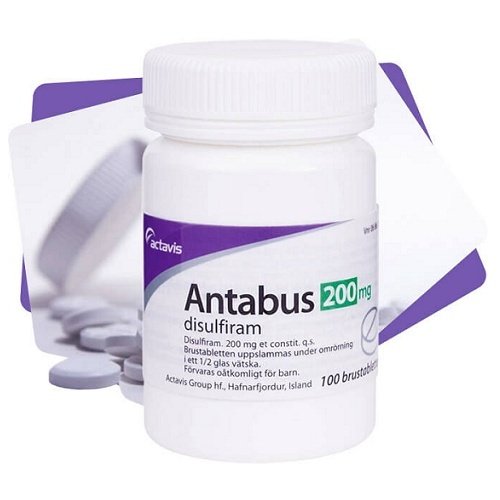
Antabuse (Disulfiram) in the United States: The Ultimate Evidence-Based Patient Guide (2026)
Key Takeaways: The Essentials
- Active Ingredient: Disulfiram
- Main Use: Maintenance of abstinence in alcohol dependence
- Prescription Status (2026): Prescription required in all 50 states (DEA/FDA regulation)
- How It Works: Blocks aldehyde dehydrogenase, causing unpleasant effects if alcohol is consumed
- Onset of Action: Within 12 hours of first dose, effects last up to 2 weeks after stopping
- Absolute Contraindication: Must not be taken if any alcohol is in the system
- Coverage: Frequently reimbursed under Medicaid, Medicare Part D, and private insurance in the United States
- Alternatives: Naltrexone, acamprosate (see comparison below)
- Warning: Never start Antabuse without a doctor’s supervision
Is Antabuse Available Without a Prescription in the United States?
No, Antabuse (disulfiram) cannot be legally purchased or dispensed in the United States without a valid prescription from a licensed healthcare provider.
According to FDA and federal law, Antabuse is a prescription-only medication due to the risk of severe medical reactions if combined with alcohol or certain other substances. Pharmacies—both physical and online—are required to verify prescriptions before dispensing. Attempting to buy Antabuse from unregulated sources or without a prescription carries significant legal and health risks, including exposure to counterfeit drugs.
How Does Antabuse Work? (Mechanism of Action Explained)
Antabuse’s active ingredient, disulfiram, blocks the enzyme aldehyde dehydrogenase (ALDH) in the liver. Normally, after drinking alcohol, your body converts it into acetaldehyde and then quickly into harmless acetate. Disulfiram blocks this second step, causing a rapid buildup of acetaldehyde—a toxic compound.
This buildup leads to intensely unpleasant symptoms if alcohol is consumed, including facial flushing, throbbing headache, nausea, vomiting, chest pain, palpitations, and a drop in blood pressure. In severe cases, reactions may be life-threatening (see side effects below).
Think of it like a “chemical handbrake”—as long as Antabuse is on board, any attempt to drink alcohol results in an immediate and powerful deterrent effect.
Myth vs Reality: Some believe disulfiram makes you “not want” alcohol. In reality, it creates a strong negative reinforcement if you try to drink, but craving for alcohol often persists. That’s why combining Antabuse with counseling or support groups increases success rates.
Requires Strict Abstinence: Antabuse does not work unless you avoid all forms of alcohol—including hidden sources like mouthwash or sauces.
Scientific reference
See FDA label and clinical studies for details.
How to Take Antabuse: Dosage, Timing, and Special Considerations
| Parameter | Standard Recommendation |
|---|---|
| Usual Starting Dose | 500 mg by mouth once daily for 1–2 weeks |
| Maintenance Dose | 250 mg by mouth once daily (range 125–500 mg) |
| When to Take | Morning, with or without food |
| Maximum Dose | 500 mg per day (do not exceed without strict medical supervision) |
| Splitting Tablets | Some generic tablets may be split; check with your pharmacist |
| Missed Dose | Take as soon as remembered; skip if close to next scheduled dose |
| Duration of Effect | Persist up to 14 days after last dose |
Critical: Do not take your first dose of Antabuse within 12 hours of your last drink. Even small amounts of alcohol in your system can trigger a severe reaction. Your doctor will usually verify this before starting therapy.
Adjustments: Elderly patients, those with liver or kidney impairment, or certain psychiatric conditions may require a lower starting dose and closer monitoring.
Never adjust your dose or discontinue abruptly without consulting your physician, as relapse risk may increase.
Food, Alcohol, and Other Lifestyle Interactions
- Alcohol (including hidden sources):
- Strictly forbidden. Even trace amounts (e.g., in cough syrup, cooking sauces, or mouthwash) can trigger a reaction. Always check product labels for alcohol content (ethanol, ethyl alcohol, spirits).
- Food:
- No significant interaction with food. Can be taken with or without meals.
- Grapefruit Juice:
- No direct interaction reported with disulfiram, unlike some other medications. Still, check with your provider in case of changes in formulation.
- Caffeine:
- No significant interaction, but excessive caffeine may worsen anxiety symptoms.
- Other Medications:
-
- Metronidazole (Flagyl): Contraindicated—may cause psychosis
- Warfarin: May increase anticoagulant effect; increased bleeding risk
- Phenytoin: May increase toxicity—monitor blood levels
- Benzodiazepines, antipsychotics: Use with caution—may potentiate side effects
| Product/Drug | Can It Be Combined? | Possible Consequences |
|---|---|---|
| Alcohol | NO | Severe, potentially life-threatening reaction |
| Metronidazole | NO | Possible psychosis, confusion |
| Cough Syrup (ethanol-based) | NO | Triggers Antabuse-alcohol reaction |
| Warfarin | With Caution | Increased bleeding risk; monitor INR |
| Grapefruit Juice | Yes | No significant interaction reported |
Bottom line: Always inform your pharmacist and providers about all medicines and supplements you use.
Absolute and Relative Contraindications: Who Should Not Take Antabuse?
- Current intoxication (any detectable alcohol in the body)
- History of severe heart disease (e.g., recent myocardial infarction, heart failure, coronary artery disease with unstable angina)
- Psychosis or severe mental illness
- Hypersensitivity to disulfiram or excipients
- Liver failure or severe hepatitis
- Pregnancy (unless benefits outweigh risks; consult your provider)
- Concomitant use of metronidazole or paraldehyde
- Mild-to-moderate liver or kidney impairment (dose adjustment may be needed)
- History of diabetes (risk of hypoglycemia may increase)
- Epilepsy or underlying brain disorders
- Chronic obstructive pulmonary disease (COPD)
- Older adults (greater risk of side effects)
Always consult a specialist before starting Antabuse to ensure all contraindications are assessed based on your full medical history.
Why such strict red flags? Because the Antabuse reaction can be medically dangerous, especially in those with underlying heart, liver, or psychiatric conditions. In short: safety comes first.
What Side Effects Are Most Common With Antabuse?
The frequency of side effects is classified below (per FDA and WHO definitions):
| Frequency | Side Effects | Mechanism/Commentary |
|---|---|---|
| Very common (>10%) |
Drowsiness, fatigue, metallic or garlic-like taste in mouth | Direct effect on central nervous system and metabolism |
| Common (1–10%) |
Headache, skin rash, acne, mild liver enzyme elevation | Immunological and hepatic effects |
| Uncommon (0.1–1%) |
Impotence, neuropathy, optic neuritis | Neurotoxicity in susceptible patients |
| Rare (<0.1%) |
Psychosis, hepatitis, severe allergic reaction (anaphylaxis) | Hypersensitivity, hepatic metabolism idiosyncrasy |
| Very rare (<0.01%) |
Liver failure, convulsions, death (usually in context of severe alcohol reaction) | Severe toxicity, especially with alcohol consumption |
What should you do if you experience side effects? For mild symptoms (taste changes, mild fatigue), inform your provider at your next appointment. For severe symptoms (yellowing eyes/skin, confusion, severe rash, or symptoms after accidental alcohol exposure), contact your provider immediately or call 911 in case of emergency.
Antabuse vs. Alternatives: Which Medication Is Right for You?
| Drug | Mechanism | Onset | Duration | Main Side Effects | Prescription Requirement |
|---|---|---|---|---|---|
| Antabuse (Disulfiram) |
ALDH inhibitor; causes aversive reaction with alcohol | 12 hours after first dose | Up to 2 weeks after stopping | Fatigue, hepatotoxicity, rash | Yes (FDA) |
| Naltrexone | Opioid receptor antagonist; reduces cravings | 1-2 hours | Short (daily dosing) | GI upset, headache, liver toxicity (rare) | Yes (FDA) |
| Acamprosate | NMDA receptor modulator; restores brain chemistry | 4-8 hours | Short (dosed 3x daily) | Diarrhea, GI symptoms | Yes (FDA) |
Bottom line: Antabuse is best for highly motivated patients with strong social support, as it relies on maintaining abstinence. Naltrexone may be preferred if cravings are the main barrier. Acamprosate is often used in those with liver disease or where abstinence support is needed. None are magic bullets, and a personalized approach is essential.
Pharmacokinetics: Metabolism and Elimination (Simply Explained)
After oral administration, Antabuse is absorbed from the gastrointestinal tract. It is then rapidly metabolized in the liver to diethyldithiocarbamate and other metabolites. It is excreted mainly via the kidneys, and a small fraction in feces.
- Onset of action: 12 hours (full activity)
- Half-life (T1/2): 60–120 hours (highly variable between individuals)
- Peak plasma: 8–12 hours after dose
- Duration of effect: Up to 14 days after last dose
In people with liver or kidney impairment, drug clearance may be delayed, increasing the risk of side effects. This makes regular blood tests and physician monitoring a must.
Specific Patient Groups: Elderly, Chronic Illness, and More
People with Liver Disease: Use only with specialist supervision; risk of worsening liver function.
Chronic Kidney Disease: Metabolites may accumulate. Dose adjustment and monitoring required.
Mental Health Disorders: Contraindicated if there is current psychosis or severe depression. For stable psychiatric illness, use with psychiatry input.
Pregnancy & Breastfeeding: Not routinely recommended unless benefit outweighs risk. No adequate studies in pregnant women.
Driving/Operating Machinery: Disulfiram may cause drowsiness and slow reaction time. Do not drive or operate heavy machinery until you know how it affects you.
Fertility: No evidence of negative effect on fertility, but data limited.
Original vs. Generic Antabuse: What’s the Difference?
Disulfiram is now available as both branded (Antabuse®) and generic formulations in the United States. Generics are FDA-approved and must meet the same quality, purity, and efficacy standards as the original product.
- Active Ingredient: Identical in both original and generic tablets.
- Excipients (inactive ingredients): May vary between manufacturers. Ask your pharmacist if you have allergies to dyes or fillers.
- Packaging: Generic packaging differs in color and logo but must list the U.S. manufacturer/distributor, NDC (National Drug Code), lot number, and expiration date.
- Holograms/QR codes: Some U.S. manufacturers now use QR codes for verification—check the box or bottle.
- Price: Generics usually cost less and are covered by more insurance plans.
Generics are considered equally safe and effective. Beware of “imported” or “gray market” products—these may not be FDA-approved and can carry unnecessary risks.
Buying Antabuse Legally in the United States: Step-by-Step Guide
- Consultation: Schedule a visit with a primary care doctor, addiction specialist, or licensed telehealth provider (telemedicine is legal and HIPAA-compliant in all U.S. states as of 2026).
- Assessment: Provider reviews your alcohol use history, medical status, and possible contraindications.
- Prescription: If appropriate, a prescription is issued—either electronically or as a paper script.
- Pharmacy Fulfillment: Present the prescription at your local or mail-order pharmacy. U.S. pharmacies are required to use prescription monitoring systems to prevent misuse.
- Insurance: Most insurances, Medicare, and Medicaid plans cover generic disulfiram with a low copay; uninsured patients can compare pharmacy discount programs.
- Follow-up: Regular monitoring and support visits are recommended, especially during the first months of therapy.
Telehealth Note: As of 2026, it is legal in all 50 states to receive a prescription for Antabuse via telemedicine, provided the provider is licensed in your state. Only use U.S.-licensed platforms (look for .gov, .org, or .com addresses registered with local boards).
Red Flag: Any online “pharmacy” offering Antabuse without a physician consultation and a valid prescription is operating outside U.S. law and may be selling counterfeit or unsafe medicines.
How to Spot Counterfeit Antabuse and Ensure Your Safety
- Packaging: U.S.-approved Antabuse/generic disulfiram comes in tamper-evident packaging, with clear labeling including manufacturer, NDC, lot number, and expiration date.
- Tablet Appearance: Original tablets are round, white or off-white, sometimes scored, and carry identifying numbers or codes specific to the manufacturer.
- Price Warning: If the price is “too good to be true,” it’s often counterfeit. U.S. insurance copays range from $10–$50/month for generics.
- Verification: Look for QR codes, holograms, and check the medication using the FDA’s NDC Directory or your pharmacy’s verification tools.
- Generics vs. Counterfeits: Genuine generics are FDA-approved; imported, “unbranded” pills sold online may not be. If in doubt, ask your pharmacist or report to FDA MedWatch.
If you suspect you have received a counterfeit product, do not take it—contact your pharmacy and the FDA immediately.
What to Do in Case of Overdose
- Stop taking Antabuse immediately.
- Call 911 or your local emergency number if you or someone else has taken more than the prescribed dose, especially with alcohol.
- Tell the medical team: Provide the amount taken, time of ingestion, and whether any alcohol or contraindicated drugs (like metronidazole) were involved.
- Do not attempt to induce vomiting unless instructed by poison control or EMS.
- Bring the medication packaging to the emergency department for verification.
Symptoms of overdose or severe reaction may include severe vomiting, confusion, drowsiness, hypotension, convulsions, or respiratory depression. Prompt treatment can be lifesaving.
A Word of Support: Alcohol Dependence Is Manageable
If you or your loved one is struggling with alcohol dependence, know that you are not alone. Millions of Americans face similar challenges every year. Recovery often requires not just medication, but also counseling, social support, and—sometimes—several attempts before long-term change sticks.
Don’t hesitate to talk openly with your healthcare provider, trusted friends, or support groups like Alcoholics Anonymous. The path to recovery is different for everyone, and setbacks are not failures—they are opportunities to learn and grow stronger.
Frequently Asked Questions (FAQ)
- Can I buy Antabuse online without a prescription in the United States?
- No. Legally, Antabuse requires a valid prescription in the U.S. Buying without a prescription is unsafe and illegal.
- How soon after drinking alcohol can I start taking Antabuse?
- You should wait at least 12 hours after your last alcoholic drink before starting Antabuse. Your provider may require a longer interval.
- Can I take Antabuse every day?
- Yes. Daily use is standard, but only under medical supervision. Never self-initiate or adjust the dose yourself.
- What happens if I drink alcohol while taking Antabuse?
- You will likely experience a severe reaction—nausea, vomiting, headache, flushing, chest pain, rapid heartbeat, and possible collapse. In some cases, this can be life-threatening.
- Is Antabuse covered by insurance?
- Typically yes—most commercial insurance, Medicaid, and Medicare Part D plans cover generic disulfiram. Check your specific plan.
- Can Antabuse be used together with naltrexone or acamprosate?
- Rarely. These medications are usually used separately, but your provider may choose combination therapy in select cases.
- How can I find a doctor who specializes in alcohol dependence in the United States?
- Ask your primary care provider for a referral, or use the SAMHSA treatment locator to find specialists in your area.
- Are there any foods or drinks I should avoid besides alcohol?
- Yes. Avoid products containing hidden alcohol (certain desserts, sauces, vinegars, cough syrups, mouthwashes). Always check labels.
- Is Antabuse safe in pregnancy or while breastfeeding?
- It is not routinely recommended. Use only if potential benefits justify the risks, and always under specialist supervision.
References
- FDA. “Disulfiram (Antabuse) Prescribing Information.” Revised 2025. FDA Label
- Substance Abuse and Mental Health Services Administration. “Medication for the Treatment of Alcohol Use Disorder: A Brief Guide.” 2025. SAMHSA Brief Guide
- Krampe H, Ehrenreich H. “Supervised disulfiram as adjunct to psychotherapy in alcoholism: A review of controlled studies.” Addiction, 2019; 114(6): 957–965. PubMed
- Jonas DE, Amick HR, Feltner C, et al. “Pharmacotherapy for adults with alcohol use disorders in outpatient settings: A systematic review and meta-analysis.” JAMA, 2014; 311(18):1889–1900. JAMA
- US National Library of Medicine. “Disulfiram (Antabuse).” MedlinePlus. Accessed 2026. MedlinePlus
- National Institute on Alcohol Abuse and Alcoholism (NIAAA). “Alcohol Use Disorder: A Comparison of Medications.” Accessed 2026. NIAAA Alcohol Use Disorders