
- Home/
- Buy Doxycycline Online in the United States – Fast and Easy Ordering
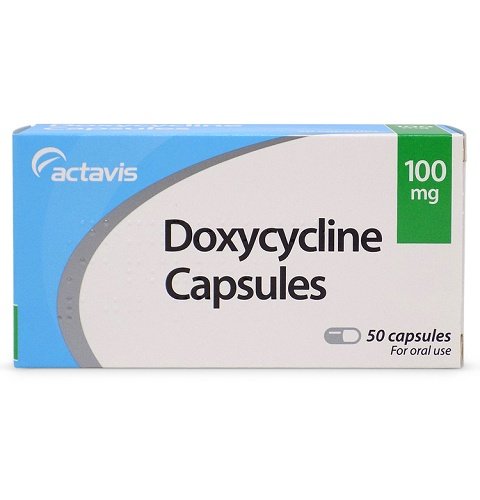
Why Doxycycline Is Prescribed—and When It’s the Right Choice
In clinics across the United States, Doxycycline’s name comes up every day—but never for the same reason twice. One patient is handed a prescription after a tick bite, another for a stubborn cough that turned out to be pneumonia, and a teenager walks out with it to treat severe acne. Doxycycline’s reach across infections is almost unmatched among antibiotics, but that doesn’t mean it’s the first—or best—choice in every case.
The single most important thing to understand: Doxycycline’s versatility isn’t just about the types of bacteria it kills. It’s about where it goes in the body, how it gets there, and how reliably it does its job, even when the infection isn’t in a typical place. For Lyme disease and other tick-borne illnesses, Doxycycline is often the antibiotic of choice because it penetrates tissues that other antibiotics can’t reach as effectively. For certain sexually transmitted infections (like chlamydia), guidelines recommend it over alternatives for better clearance. But for simple, garden-variety urinary tract infections or strep throat? Doxycycline is rarely the first pick.
Patients often believe Doxycycline is a “strong” antibiotic. In reality, its power is about precision, not brute force. Its role is defined by the infection’s cause, location, and your personal health profile.
How Doxycycline Actually Works Against Infections
Doxycycline doesn’t kill bacteria outright—it stops them from multiplying, giving your immune system the upper hand. Unlike some antibiotics that blast every bug in their path, Doxycycline targets the machinery bacteria use to make proteins. When that assembly line shuts down, bacterial growth stalls, and the infection weakens until your own defenses can finish the job.
- Protein Synthesis Inhibitor
- Doxycycline is a type of antibiotic known as a “protein synthesis inhibitor.” It blocks bacteria from making the proteins they need to grow and spread.
This means Doxycycline is “bacteriostatic” (stops growth) rather than “bactericidal” (kills bacteria directly). For most infections, this difference is academic; for severe or life-threatening bacterial illnesses, your doctor may prefer a drug that kills bacteria outright. But for conditions like acne, Lyme disease, or even community-acquired pneumonia in certain adults, Doxycycline’s approach is often the safest and most effective.
The practical upshot: Doxycycline may take a little longer to work than some antibiotics, especially in deep-seated infections. Most patients start to feel better within 48–72 hours, but it’s essential to complete the full course—even if symptoms resolve earlier—to prevent relapse and resistance.
Doxycycline Compared to Other Antibiotics: What Makes It Different?
There are dozens of antibiotics on pharmacy shelves in the United States, but very few occupy the same clinical niche as Doxycycline. What sets it apart isn’t just its ability to treat a wide range of bacterial infections, but the way it balances effectiveness, tolerability, and convenience—especially when compared to antibiotics like amoxicillin, azithromycin, or ciprofloxacin.
| Feature | Doxycycline | Amoxicillin | Azithromycin |
|---|---|---|---|
| Best Uses | Lyme, acne, pneumonia (atypical), chlamydia, tick-borne | Strep throat, ear infections, sinusitis, routine UTI | Bacterial bronchitis, chlamydia, traveler’s diarrhea |
| Bacterial Coverage | Broad (esp. atypicals, tick-borne, chlamydia) | Mostly Gram-positive, limited Gram-negative | Broad, includes some atypicals |
| Formulation | Tablet, capsule, liquid | Tablet, capsule, liquid | Tablet, liquid, extended release |
| Dosing Frequency | Once or twice daily | 2–3 times daily | Once daily (short course) |
| Food Interactions | Calcium, iron, antacids reduce absorption | Few significant food interactions | Some food effect, but minor |
| Major Side Effects | Photosensitivity, GI upset, esophageal irritation | Rash, GI upset, allergic reaction | GI upset, QT prolongation (rare) |
| Pregnancy Use | Not recommended | Widely used, generally safe | May be used with caution |
| Pediatric Use | Generally avoided under 8 years | Common | Limited by age and indication |
| Cost (US, generic) | Low (widely available generic) | Very low | Low-moderate |
| Prescription Status (US) | Prescription only | Prescription only | Prescription only |
The decision between Doxycycline and another antibiotic in the United States rarely comes down to price or convenience—most are inexpensive and available by prescription. Instead, it’s about clinical fit. Doxycycline covers a broader range of “atypical” and intracellular bacteria than amoxicillin, making it a go-to for infections with uncertain origins or those spread by ticks. It’s also less likely to disrupt the gut microbiome than alternatives like ciprofloxacin. However, Doxycycline’s photo-sensitivity risk and interaction with dairy or antacids set it apart and require more careful patient counseling.
Taking Doxycycline: Dosage Strategies, Pitfalls, and Patient Tips
Missing a dose of Doxycycline isn’t just a small mistake—it can directly affect how well your infection responds. The way you take this antibiotic matters more than with most other medications, because food, other drugs, and even the time of day can change how much of it actually gets into your bloodstream.
The dose and duration of Doxycycline varies widely depending on the infection, your age, and—sometimes—your weight or kidney function. For Lyme disease, a typical adult dose is 100 mg twice daily for 10–21 days. For acne, the dose is often lower but taken for several months. Your doctor chooses the dose based on specific clinical guidelines and your individual needs.
| Indication | Initial Dose | Maintenance Dose | Duration |
|---|---|---|---|
| Lyme Disease | 200 mg (once or divided) | 100 mg twice daily | 10–21 days |
| Acne | 100 mg | 100 mg once or twice daily | Weeks to months |
| Chlamydia | 100 mg | 100 mg twice daily | 7 days |
| Community-acquired Pneumonia | 200 mg (once or divided) | 100 mg twice daily | 7–14 days |
| Malaria Prophylaxis | 100 mg | 100 mg once daily | Start 1–2 days before, continue during and 4 weeks after travel |
Dosage for children, elderly adults, and patients with kidney disease may differ and should always be determined by a healthcare professional. Doxycycline is generally not recommended for children under 8 years old due to the risk of tooth discoloration and bone growth effects.
- Take Doxycycline at the same time each day for consistent blood levels.
- Avoid taking it close to dairy, antacids, iron supplements, or multivitamins.
- If stomach upset occurs, a small snack (not containing dairy) can help—but always check with your doctor or pharmacist.
- Never abruptly stop the medication without consulting your prescriber, even if you feel better.
Which Side Effects Matter Most with Doxycycline—and When to Act
Most people in the United States tolerate Doxycycline well, but the surprises it brings are rarely subtle. Sunburns that appear after just a short walk, a sudden sour stomach, or a pill that seems stuck on the way down—these are the stories doctors hear every week.
The most common reactions are gastrointestinal: nausea, heartburn, or diarrhea. Less frequent but more serious effects include severe headache, blurred vision (possible sign of increased intracranial pressure), or signs of allergic reaction. And Doxycycline is notorious for photosensitivity—meaning your skin burns easily, sometimes blistering, even with sunscreen.
- Photosensitivity
- Increased skin sensitivity to sunlight, leading to a higher risk of sunburn and rash, even after brief sun exposure. Can occur at any point during Doxycycline therapy.
Some patients report yeast infections (women in particular), or changes in normal gut bacteria. Unlike certain other antibiotics, Doxycycline rarely causes life-threatening allergic reactions or severe colitis, but it’s not impossible.
| Side Effect | Frequency | When to Contact Doctor |
|---|---|---|
| Nausea / Vomiting | Common (10–20%) | If persistent, severe, or prevents taking dose |
| Esophageal Irritation / Pain | Common | If severe pain, difficulty swallowing, or blood in vomit |
| Photosensitivity (Sunburn) | Common (up to 20%) | If blistering, rash, or severe burn develops |
| Diarrhea / Yeast Infection | Occasional | If diarrhea is watery, bloody, or persistent; if severe vaginal itching or discharge |
| Severe Headache / Vision Changes | Rare | Immediately—could signal increased cranial pressure |
| Allergic Reaction | Rare | Immediate attention if rash, swelling, trouble breathing |
If you’re unsure about a symptom while on Doxycycline, don’t guess. Most side effects are mild and manageable, but a few demand prompt medical advice. When in doubt, call your doctor or pharmacist—especially if your symptoms are new, severe, or worsening.
When NOT to Take Doxycycline—and What to Do Instead
- Pregnancy: Doxycycline can interfere with fetal bone and tooth development. Alternative antibiotics are preferred at every stage of pregnancy.
- Children under 8 years old: Risk of permanent tooth discoloration and effects on bone growth mean Doxycycline should only be used if absolutely necessary and no alternatives exist.
- Severe allergy to tetracyclines: (the class of antibiotics Doxycycline belongs to) including rash, hives, anaphylaxis.
- History of severe liver disease: Doxycycline is metabolized by the liver, and higher doses may be risky in advanced liver impairment.
- Myasthenia gravis: Tetracyclines may worsen muscle weakness in this rare neuromuscular condition.
- History of esophageal reflux or ulcers: Doxycycline can irritate the esophagus, especially if not taken properly.
For patients who fall into these categories, doctors will usually choose a different antibiotic—often amoxicillin, azithromycin, or another agent based on the specific infection and your medical history. If you’re in a gray area (such as breastfeeding, borderline liver disease, or using other medications that interact), the risks and benefits should be discussed with your healthcare provider before starting treatment.
Practical Access: Getting Doxycycline in United States
Unlike some countries where antibiotics can be bought over the counter, in the United States Doxycycline is strictly prescription-only. This is not just a bureaucratic hurdle: it’s a safety guardrail, designed to ensure you receive the right antibiotic, at the right dose, for the right infection—avoiding unnecessary resistance and side effects.
- Prescription Required: You’ll need a prescription from a licensed U.S. healthcare provider—doctor, physician assistant, or nurse practitioner.
- Pharmacy Dispensing: Most retail and mail-order pharmacies carry multiple generic brands of Doxycycline. Availability is rarely a problem.
- Insurance Coverage: Doxycycline is a low-cost generic in the United States and is covered by almost every insurance plan, including Medicare and Medicaid. Typical copays are minimal to modest.
- Telehealth: Many telemedicine providers are authorized to prescribe Doxycycline for conditions where a virtual visit is appropriate (e.g., acne, uncomplicated tick bites, some STIs).
- Online Pharmacies: Only use U.S.-licensed online pharmacies for mail-order prescriptions. The FDA offers a tool to check for legitimate online pharmacies (FDA Safe Online Pharmacies).
Pharmacies may substitute one generic version for another, but all must meet FDA standards for quality and effectiveness. If you have a known sensitivity to an excipient or inactive ingredient, ask your pharmacist to review the options with you.
FAQs: Real Questions, Real Answers About Doxycycline
- Can I drink alcohol while taking Doxycycline?
- Light to moderate alcohol consumption does not usually interfere with Doxycycline’s effectiveness, but heavy drinking increases the risk of liver side effects and reduces your body’s ability to fight infection. If you have liver disease, avoid alcohol while on Doxycycline. For most patients, a glass of wine or beer is not a problem—but check with your doctor if unsure.
- What should I do if I miss a dose?
- Take the missed dose as soon as you remember, unless it’s almost time for the next one. Do not double up or take two at once. Missing a single dose is not usually serious, but skipping multiple doses may make the infection harder to treat.
- Why does Doxycycline make me sensitive to sunlight?
- Doxycycline is known to cause photosensitivity in some people, making your skin more likely to burn or develop a rash after even minimal sun exposure. Wear protective clothing and use strong sunscreen while on this medication. The effect can happen at any time during treatment.
- Can I take Doxycycline with food?
- You can take Doxycycline with a light meal if it upsets your stomach, but avoid dairy products, calcium-fortified foods, and antacids at the same time—these can reduce absorption. Take it with a full glass of water, and do not lie down immediately after.
- How long does it take for Doxycycline to start working?
- Most patients notice improvement in symptoms within 48–72 hours, although it may take longer for some infections, like acne. If you’re not better after a few days or if symptoms worsen, contact your healthcare provider.
- What drugs interact with Doxycycline?
- Common interacting drugs include antacids, iron supplements, certain seizure medications (like phenytoin or carbamazepine), and some blood thinners (like warfarin). Always tell your pharmacist and provider all medications and supplements you are taking before starting Doxycycline.
- Can I stop taking Doxycycline once I feel better?
- No—stopping early increases the risk of the infection returning and can contribute to antibiotic resistance. Always finish the full prescribed course unless your doctor specifically tells you to stop early.
- Is Doxycycline safe during pregnancy or breastfeeding?
- Doxycycline is not considered safe during pregnancy due to the risk of harm to the developing fetus. For breastfeeding, the risks are lower but not zero; consult your provider about safer alternatives if pregnant or nursing.
Sources and References
- United States Food and Drug Administration (FDA)
- Infectious Diseases Society of America. Practice Guidelines for Antimicrobial Therapy. 2023.
- Centers for Disease Control and Prevention (CDC) – STI Treatment Guidelines
- Mayo Clinic: Doxycycline (Oral Route)
- Doxycycline Prescribing Information, FDA-Approved Label, 2023.
- PubMed (National Library of Medicine)
- American Academy of Dermatology. Acne Clinical Guidelines. 2023.
- Infectious Diseases Society of America (IDSA)