
- Home/
- Buy Stromectol at Low Price in the United States Online
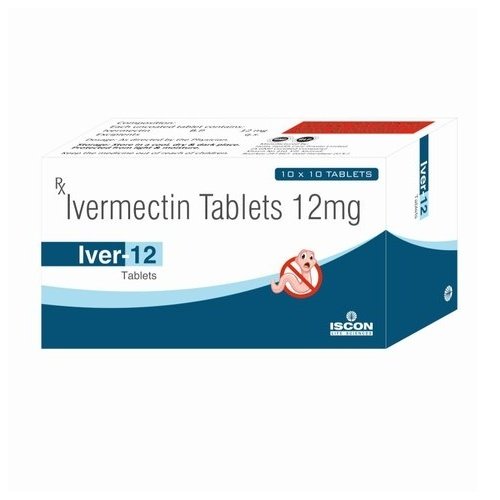
Stromectol is a prescription medication containing ivermectin, used in the United States to treat specific parasitic infections such as strongyloidiasis and onchocerciasis. The most important fact for patients: Stromectol is highly effective for its approved uses, but safe and legal access in the U.S. depends on a confirmed diagnosis and a doctor’s prescription—self-medicating can be risky and is not supported by clinical evidence.
Why Does Stromectol Come Up Now? The Real Patient Story
It started with a rash, not a question. By the time Michael walked through his primary care provider’s door, itching had given way to fatigue, and the diagnosis wasn’t obvious. His travel medical history mattered: a recent trip to Central America. By the end of the visit, the word “Stromectol” landed on his treatment plan—and sparked a dozen questions he didn’t know he’d have.
For many in the United States, Stromectol isn’t a medication you encounter unless your doctor is thinking like a detective. Unlike antibiotics or allergy pills, it enters your vocabulary only after a specific kind of diagnosis: one involving parasites, not bacteria or viruses. Yet in recent years, the buzz around ivermectin—Stromectol’s active ingredient—has stretched far beyond its roots as an antiparasitic. Inappropriate off-label interest has muddied the waters, making it harder for patients to find grounded advice.
The real story is about being accurate, not alarmist. If a physician prescribes Stromectol, it’s with a precise purpose, after confirming the infection. The stakes? Getting the right diagnosis and treatment can clear a problem that will only get worse without it. Taking it for the wrong reason, or from an unregulated source, can do real harm.
Stromectol vs. the Crowd: What Sets It Apart in Antiparasitic Treatment?
Every antiparasitic has its moment—and its limits. Stromectol (ivermectin) is not the first-line solution for every worm or parasite. Its value lies in its selectivity: highly effective against certain nematodes, not others; very safe for many adults, less so for specific vulnerable groups. The clinical art comes in matching the drug to the organism, the person, and the situation.
| Attribute | Stromectol (Ivermectin) | Albenza (Albendazole) | Biltricide (Praziquantel) |
|---|---|---|---|
| Primary Indications (FDA-approved) | Strongyloidiasis, onchocerciasis (river blindness) | Neurocysticercosis, hydatid disease, other nematodes | Schistosomiasis, liver flukes, tapeworms |
| Mechanism | Paralyzes and kills certain worms by affecting nerve and muscle function | Disrupts worm energy metabolism | Causes severe spasm in flatworms |
| Onset & Duration | Rapid onset, single dose for most indications | Slower onset, multiple days | Rapid onset, single dose or short course |
| Effectiveness (for approved use) | High (>90%) for strongyloidiasis/onchocerciasis | High for indicated parasites, not for onchocerciasis | Excellent for schistosomiasis; not effective for nematodes |
| Common Adverse Effects | Itching, rash, mild GI upset, dizziness | GI upset, liver enzyme elevation, headache | Abdominal pain, headache, dizziness |
| Contraindications | Children under 15 kg, pregnancy (except for specific indications) | Known hypersensitivity, pregnancy (risk unclear) | Hypersensitivity, ocular cysticercosis |
| Monitoring Needs | Minimal unless comorbidities | Liver function tests | Minimal, except in severe disease |
| Prescription Status (U.S.) | Prescription only | Prescription only | Prescription only |
| Typical Out-of-Pocket Cost (U.S.) | Moderate; varies widely, ~$30–$150 (generic/brand) | Moderate to high | Moderate |
In clinical practice, Stromectol stands out for its targeted power: when your infection matches its strengths, it’s often the simplest, shortest, and most effective route. However, unlike some alternatives, it doesn’t cover every parasite, and off-label use can carry risks rather than benefits. The brief, single-dose regimen is a major advantage in terms of adherence and convenience—no week-long schedules. But that simplicity only delivers when the diagnosis is correct. Insurance coverage varies; most U.S. plans cover FDA-approved indications, but coverage can be spotty for off-label or travel prophylaxis.
- FDA-Approved Indication
- The specific infection or condition for which the drug has been studied and authorized by the Food and Drug Administration for use in the United States.
How Stromectol Works in Your Body—And Why That Matters
Stromectol doesn’t kill parasites by brute force. Instead, ivermectin disrupts a worm’s nerve and muscle function, paralyzing it. The human body then expels the helpless parasite. But this precision comes with a catch: not every parasite is vulnerable, which is why Stromectol isn’t a catch-all solution. For strongyloidiasis and onchocerciasis, it is dramatically effective. For tapeworms, liver flukes, and most protozoa, it simply doesn’t work.
The way ivermectin acts also shapes the side effect profile. Because human nerve cells are protected by the blood-brain barrier, the drug’s action is selective—most patients tolerate it well. However, in rare cases, especially if the blood-brain barrier is compromised (as in certain infections or CNS disorders), neurological effects are possible. That’s why prescribers take extra care in vulnerable groups.
When the right infection is present, the effect can be dramatic: symptoms often improve within days. But if you take Stromectol for the wrong reason, you risk not only potential side effects but also missing the real diagnosis—and delaying the correct treatment.
Getting the Dose Right: A Clinical Balancing Act
The right dose of Stromectol is more art than arithmetic. It’s adjusted by weight, indication, and sometimes repeated based on response. For most adults with strongyloidiasis or onchocerciasis, a single weight-based dose clears the infection. Some patients—especially those with immune compromise, severe disease, or atypical infections—may need repeat dosing or additional monitoring. Self-dosing, especially using animal formulations or unsupervised regimens, is not just unsafe; it can be deadly.
| Indication | Adult Dose | Pediatric Dose | Repeat Dosing? | Special Notes |
|---|---|---|---|---|
| Strongyloidiasis | 200 mcg/kg, once | 200 mcg/kg, once (≥15 kg) | Rare; may repeat after 2 weeks if infection persists | Take on empty stomach with water |
| Onchocerciasis (River Blindness) | 150 mcg/kg, once | 150 mcg/kg, once (≥15 kg) | Repeat every 6–12 months until symptom resolution | Monitor for allergic reactions to dying parasites |
| Other indications (off-label) | Case-by-case; consult specialist | Not generally recommended | Uncertain; evidence varies | Specialist guidance required |
For most patients, the dosing is straightforward: one or two pills based on weight, often taken once. Children under 15 kg are not routinely treated with Stromectol in the U.S.; safety is not established. Elderly and those with liver disease may need careful dose consideration, but dose adjustments for mild renal impairment are not routinely required.
The bottom line: never adjust your own dose, never use veterinary ivermectin, and always check with your doctor if you miss a dose or experience unexpected symptoms.
Which Side Effects Matter Most with Stromectol—and When to Act
Not all side effects are created equal. With Stromectol, most people experience no more than minor issues: itching, mild rash, a headache, a brief dizzy spell. These are often short-lived and fade as the body clears both the drug and the dying parasites. The most common reactions aren’t direct drug effects—they’re the immune system’s response to the parasites being killed off, known as the Mazzotti reaction in cases of onchocerciasis:
- Itching or rash: Typically mild, may last several days.
- Headache/dizziness: Usually resolves on its own.
- Gastrointestinal upset: Nausea, diarrhea, or abdominal pain can occur.
- Fever/muscle aches: More common with heavy parasite burden.
But some side effects demand attention. Allergic reactions—swelling of the face, lips, tongue, trouble breathing—are rare but dangerous. Severe neurological symptoms, such as confusion, unsteady gait, or seizures, require immediate medical attention, especially in patients with certain coinfections (like Loa loa) or those with a compromised blood-brain barrier.
doctor’s perspective: “In my practice, severe side effects are very rare, but I always warn patients: if you notice vision changes, severe skin blistering, or anything that just feels wrong, stop the medication and call for help. The vast majority tolerate Stromectol with little more than a brief rash or headache.”
| Side Effect | How Common? | When to Contact Your Doctor |
|---|---|---|
| Itching, rash | Common | If severe, blistering, or spreading rapidly |
| Headache, dizziness | Occasional | If persistent, severe, or associated with confusion |
| Fever, muscle aches | Occasional | If high fever or lasts more than a few days |
| Abdominal pain, nausea | Uncommon | If unable to keep fluids down or with severe pain |
| Allergic reaction (swelling, trouble breathing) | Rare | Immediately—call 911 or seek emergency care |
| Severe neurological symptoms | Very rare | Immediately—seek emergency care |
In day-to-day reality, patients who are correctly diagnosed and dosed almost always recover quickly, with minimal discomfort. The rare serious reactions almost always involve either an incorrect indication, coexisting conditions, or improper self-dosing.
When Not to Take Stromectol: Absolute and Relative Contraindications
- You are allergic to ivermectin or any ingredient in Stromectol
- You are a child weighing less than 15 kg (33 lbs)
- You are taking it for an unapproved or unconfirmed diagnosis
Certain situations require a careful conversation with your doctor before starting Stromectol. These are not automatic barriers, but they do shift the risk-benefit calculus:
- Pregnancy: The safety of Stromectol during pregnancy is not well established. For certain life-threatening infections, it may still be used, but only after a thorough risk assessment.
- Breastfeeding: Ivermectin passes into breast milk in small amounts. Most guidelines recommend caution, especially in the first week after birth.
- Severe liver disease: The drug is metabolized in the liver; serious impairment may increase risk.
- Certain coinfections (Loa loa): Stromectol can cause severe neurological reactions if Loa loa microfilaremia is present. Screening is critical for anyone with relevant travel history.
- Compromised blood-brain barrier: Those with meningitis or other CNS conditions may be at increased risk of neurological toxicity.
- Relative contraindication
- A situation where the risks may outweigh the benefits, but the drug can sometimes be used if no better alternative exists and the infection is severe.
If any of these situations apply to you, do not start Stromectol until you and your healthcare provider have weighed the risks and benefits together. Never take Stromectol purchased outside a licensed U.S. pharmacy—or in animal formulations.
Access in the United States: Practical Pathways, Costs, and Barriers
In the U.S., Stromectol is prescription-only. You cannot—not legally or safely—buy it over the counter or from online sources without a doctor’s order. Every legitimate pharmacy requires a prescription for ivermectin in any human formulation. This protects you from counterfeit drugs, incorrect dosing, and potential toxicity seen in veterinary versions.
- See a healthcare provider for diagnosis and confirmation of the indication.
- Receive a prescription if the diagnosis matches an FDA-approved use.
- Fill the prescription at a licensed U.S. pharmacy (retail or mail-order).
- If insurance covers it, out-of-pocket cost is typically low. Without coverage, prices vary widely by pharmacy and region.
Most insurance plans—including Medicare—cover Stromectol for FDA-approved indications, subject to copays. If prescribed off-label or for travel, you may face higher costs or outright denials. Generics are available and are usually much less expensive than the original brand. Assistance programs are rare, but some state health departments or travel clinics may offer support for eligible patients.
- Brand vs. generic: Clinical efficacy is the same; cost is lower for generic.
- Pharmacy choice: Chain, independent, and mail-order pharmacies can all dispense Stromectol if you have a valid prescription.
- Online sources: Only use online pharmacies certified by the National Association of Boards of Pharmacy (NABP).
FAQs: Real Questions about Stromectol from Patients in the United States
- Can I get Stromectol without a prescription in the U.S.?
- No. Stromectol (ivermectin) is only available by prescription for human use in the United States. Any source offering it without a prescription is not legal or safe.
- Is it safe to use veterinary ivermectin if I can’t get a prescription?
- Absolutely not. Veterinary formulations are not made, dosed, or tested for humans, and self-administering them has led to poisonings and hospitalizations in the United States.
- What if I miss a dose of Stromectol?
- For most indications, Stromectol is a one-time dose. If you miss it, take it as soon as you remember—unless it’s almost time for your next scheduled dose, in which case, consult your doctor. Never double up doses without medical advice.
- Does Stromectol interact with other medications?
- It can, especially with drugs affecting liver metabolism (like certain antifungals, antiepileptics, or HIV medications). Always provide your doctor with a full medication list before starting Stromectol.
- Can Stromectol be used to prevent or treat COVID-19?
- No. There is no reliable clinical evidence supporting the use of Stromectol for COVID-19, and its use for this purpose is not only off-label but discouraged by the FDA and CDC due to safety concerns.
- Is Stromectol safe during pregnancy or breastfeeding?
- The safety of Stromectol in pregnancy is not well established; it is generally avoided unless the infection is life-threatening or there are no alternatives. Breastfeeding mothers should consult their doctor, especially in the first week post-delivery.
- How long does it take for Stromectol to work?
- For most patients, improvement begins within a few days after the dose. Complete clearance of the infection may require follow-up testing, as symptoms can linger or fluctuate depending on the parasite load and type.
- What do I do if I have a severe reaction after taking Stromectol?
- If you experience swelling, trouble breathing, severe skin blistering, confusion, or seizures, seek emergency care immediately. For milder symptoms, contact your healthcare provider for advice.
References
- Stromectol (ivermectin) Prescribing Information. Merck & Co., Inc. 2023
- U.S. Food and Drug Administration (FDA)
- Centers for Disease Control and Prevention (CDC)
- PubMed
- Infectious Diseases Society of America (IDSA)
- Clinical Practice Guidelines for the Treatment of Helminth Infections in Adults and Children in the United States. IDSA, 2021
- World Health Organization (WHO)
- Mayo Clinic: Ivermectin (Oral Route)