
- Home/
- Buy Glucophage Without Prescription in the United States Online
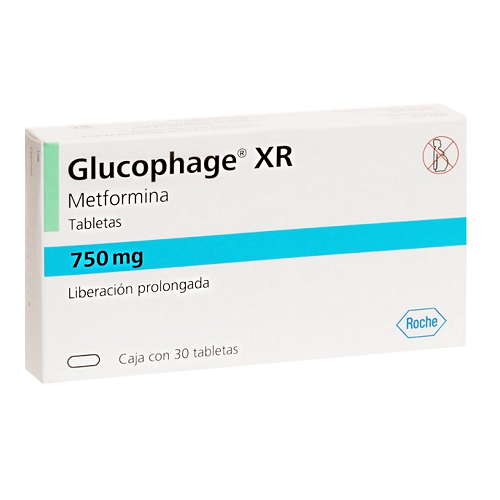
| Brand / Generic Name | Glucophage (Metformin Hydrochloride) |
|---|---|
| Main Use | Blood glucose control in Type 2 Diabetes |
| Strength Variants | 500 mg, 850 mg, 1000 mg tablets |
| How soon it works | Initial blood sugar lowering within days; full effect in 1–2 weeks |
| Effect duration per dose | Lasts 8–12 hours (immediate-release); up to 24 hours (extended-release) |
| Recommended dosing schedule | Daily, typically with meals |
| Requires a prescription? | Yes, by U.S. federal law |
| Typical U.S. retail price | $4–$25/month (generic) |
Glucophage for Type 2 Diabetes: Your Complete Decision Guide | United States
Glucophage is a well-established medication containing metformin, prescribed to help people with Type 2 Diabetes manage their blood sugar levels. It is legally available across the United States through prescription, with generics widely accessible in most pharmacies and online. This guide walks you through the real decisions, benefits, and considerations of Glucophage—so you can confidently decide your next step.
The Scope of the Problem: Why Type 2 Diabetes Is a National Issue
Type 2 Diabetes is not a rare or isolated struggle. According to the Centers for Disease Control and Prevention (CDC), in 2022, more than 37 million Americans were living with diabetes, with over 90% of them diagnosed with the Type 2 form. The American Diabetes Association reports that the prevalence continues to rise, impacting individuals of all backgrounds and ages. These numbers show that you are far from alone, and effective, proven treatments exist—making the challenge both common and, importantly, manageable.
How Glucophage Works: Mechanism and What It Means in Real Life
Glucophage (metformin) addresses high blood sugar by targeting its root causes, not just the symptoms. It works primarily by reducing the amount of glucose the liver releases into the bloodstream. At the same time, it improves your body’s sensitivity to insulin, the hormone responsible for moving glucose from the blood into cells where it’s used for energy. This dual action means blood sugar is both produced in smaller amounts and used more efficiently.
- For you: Many people start to notice steadier blood sugar readings within several days, with the full benefit usually achieved after 1–2 weeks.
- Digestive effects: Some people notice mild stomach upset or changes in bowel habits at first—these typically resolve as the body adapts.
- Weight impact: Unlike some diabetes drugs, metformin is unlikely to cause weight gain; in fact, modest weight loss is sometimes observed.
In clinical trials referenced by the U.S. Food and Drug Administration (FDA), Glucophage led to significant reductions in average blood glucose (HbA1c) for the majority of patients with Type 2 Diabetes. The practical result: better control, fewer spikes, and a lower risk of diabetes-related complications over time.
Is Glucophage Right for You? Matching the Medication to Real Life Situations
| Your Situation | Recommendation | Rationale |
|---|---|---|
| Newly diagnosed with Type 2 Diabetes, not on any medication | Glucophage is usually the first-line treatment | Because it’s effective, safe for most, and recommended by the ADA and most U.S. guidelines as the initial therapy |
| Already on another diabetes medication, but blood sugar is not controlled | Adding Glucophage may be considered | Because combining metformin with other agents often improves glucose control without major risk of low blood sugar |
| Chronic kidney disease (moderate to severe) | Glucophage may NOT be suitable | Because metformin is processed through the kidneys, impaired function raises the risk of lactic acidosis (a rare but serious side effect) |
| History of severe digestive intolerance to oral medications | Glucophage may require special caution or alternative therapy | Because gastrointestinal side effects, though mild for most, can be problematic in sensitive individuals |
| Pregnant or planning pregnancy | Consult your healthcare provider | Because while metformin is sometimes used in pregnancy, decisions are highly individual and must balance benefits and risks |
Most people with Type 2 Diabetes in the United States will find Glucophage an appropriate and practical starting point. However, the above scenarios highlight real-life exceptions where another path may be safer or more effective—emphasizing the need for a personalized approach.
How to Use Glucophage in Everyday Life: Practical Advice Beyond the Label
- When to take: Swallow tablets with a meal to reduce stomach discomfort. Extended-release forms are usually taken once daily with the evening meal; immediate-release may be split into two or three doses per day.
- If you forget a dose: Take it as soon as you remember—unless it’s almost time for the next one. Never double up to “catch up.”
- If you feel no effect right away: Glucose levels may take 1–2 weeks to stabilize. Do not alter the dose without consulting your healthcare provider.
- Combining with other medications: Tell your doctor about all medicines and supplements you use; Glucophage can interact with some drugs.
- Alcohol: Limit alcohol consumption—excess intake increases the risk of lactic acidosis, a rare but serious complication.
- Unusual symptoms: If you experience persistent nausea, vomiting, rapid breathing, or severe fatigue, contact a healthcare provider right away.
Many people search for “what if it doesn’t work?” If after several weeks your glucose remains uncontrolled, or you have trouble tolerating the medication, do not stop abruptly—contact your doctor, who may adjust your regimen or recommend an alternative.
Contraindications: Who Should NOT Take Glucophage?
- Kidney impairment: Not recommended for those with moderate or severe chronic kidney disease, because impaired elimination raises the risk of lactic acidosis.
- Severe liver disease: Avoid use, as liver dysfunction can further increase the risk of dangerous metabolic complications.
- Serious infection, dehydration, or recent surgery: Temporary discontinuation may be necessary, as these conditions elevate risk of lactic acidosis.
- Excessive alcohol use: High alcohol intake combined with metformin is unsafe due to increased lactic acidosis risk.
- Known allergy to metformin or inactive ingredients in Glucophage: Use is contraindicated due to potential hypersensitivity reactions.
Each of these contraindications is grounded in the way metformin is eliminated from the body and its rare, but serious, risk of causing metabolic imbalance when organs are under stress. Discussion with a medical professional is critical if you have any of these conditions or are unsure about your status.
Side Effects: What to Expect and When to Seek Help
Most people tolerate Glucophage well, but awareness of possible side effects prepares you for what’s normal—and what isn’t.
- Very common (in about 1 in 5 patients): Mild digestive symptoms such as nausea, diarrhea, or stomach discomfort. These often resolve within days to weeks.
- Less common: Reduced appetite, mild metallic taste in the mouth.
- Rare but serious: Lactic acidosis (warning signs: rapid breathing, severe tiredness, muscle pain, confusion). This is an emergency; if these symptoms occur, call 911 or seek emergency care immediately.
Expert note: “While the vast majority of my patients experience only mild and temporary stomach upset, it’s essential to recognize the rare but serious signs of lactic acidosis—a rapid response saves lives.” — Dr. Samantha Lee, Endocrinologist, United States.
Most side effects are self-limiting, but do not hesitate to discuss anything persistent or worrisome with your doctor. If severe symptoms arise, especially those noted above, emergency intervention is warranted. For drug safety questions, you can also contact the U.S. Poison Control Center at 1-800-222-1222.
Medication Interactions: What Not to Mix with Glucophage
Several medications and substances can interact with Glucophage, either amplifying its glucose-lowering effect or increasing risk of side effects:
- Iodinated contrast for imaging studies: Temporarily stop metformin before and after certain scans to reduce kidney stress—your provider will guide you.
- Other diabetes medications: Risk of low blood sugar increases when combined with insulin or sulfonylureas; close monitoring is needed.
- Some blood pressure and heart medications: ACE inhibitors or diuretics may affect kidney function and metformin handling—dose adjustment may be necessary.
- Alcohol: As above, excessive consumption raises serious risk—limit intake or avoid completely.
Always provide a full medication and supplement list to your healthcare team. Even over-the-counter drugs can alter how Glucophage works.
How Glucophage Compares: Alternatives, Generics, and Limitations
| Medication | Best for | Strengths | Limitations |
|---|---|---|---|
| Glucophage (Metformin) | Initial treatment for most adults with Type 2 Diabetes | Well-proven, affordable, low risk of hypoglycemia, no weight gain | May cause stomach upset, not for severe kidney/liver issues |
| SGLT2 inhibitors (e.g., empagliflozin, dapagliflozin) | Patients with heart/kidney disease, when metformin insufficient | Cardioprotective, helps with weight loss | Costly, increased risk of genital/urinary infections |
| GLP-1 receptor agonists (e.g., semaglutide) | Weight management needed, or when other drugs fail | Significant HbA1c lowering, weight loss, heart benefits | Injectable, expensive, some gastrointestinal side effects |
| Insulin therapy | Very high blood sugar or advanced diabetes | Powerful, rapid control | Requires injection, risk of hypoglycemia, weight gain |
Glucophage stands out for affordability, safety profile, and efficacy in most newly diagnosed cases. However, for those with specific complications, additional or alternative drugs may offer added benefits. Generic metformin is widely available and equally effective as brand-name Glucophage, with significant cost savings.
Buying Glucophage in the United States: Access, Pricing, and What You Receive
Glucophage and generic metformin are widely available across U.S. pharmacies and through licensed online platforms. Federal law classifies it as a prescription-only medication; however, many telemedicine services can provide a physician’s evaluation and prescription fully online, sometimes within the same day.
Prices vary by pharmacy, insurance coverage, and whether you use brand or generic. Most large chains offer generic metformin at steep discounts—sometimes as low as $4 for a 30-day supply of 500 mg tablets. Brand-name Glucophage typically costs more, up to $25–$30 monthly, but generics are pharmacologically equivalent.
| Cost Item | Amount | Note |
|---|---|---|
| Doctor visit / Telemedicine evaluation | $0–$75 | Some clinics/pharmacies offer free assessments; telemedicine may charge a fee |
| Prescription charge (if separate) | $0–$20 | Varies; often bundled with consultation |
| Glucophage / Metformin (30 tablets, 500 mg) | $4–$15 | Generic, 1-month supply; brand name may be higher |
| Delivery (optional, for online orders) | $0–$20 | Standard shipping usually $5–$10; expedited available |
| Total (minimum to maximum) | $4–$130 | Based on telemedicine vs. traditional doctor and brand vs. generic |
Insurance plans often cover metformin with low copays, but check your plan’s formulary. For those paying cash, discount programs and bulk purchasing (90-day supply) can yield further savings. Pharmacies are required to provide FDA-approved medications—ensure the pharmacy (online or in-person) is licensed in your state. Delivery times range from same-day (local) to a few days (online), with tracking provided for most reputable outlets.
Still Deciding? Closures for Your Remaining Questions
Some people wonder if stopping and restarting Glucophage is safe. If you missed doses for more than a day, or paused due to illness, contact your provider before restarting—dosing adjustments may be needed. If you’re switching from another diabetes drug, ask about the best time to transition to avoid unstable glucose levels. For questions about insurance coverage, most pharmacies can check your copay in advance, and manufacturer discount programs may be available for those without coverage.
Remember, Glucophage is highly effective for most but not all, and individual factors—kidney function, other medications, life situation—matter. When in doubt, a frank discussion with your healthcare provider ensures your choice fits your health needs, lifestyle, and goals.