
- Home/
- Buy Seroquel Online in the United States – Fast Delivery Available
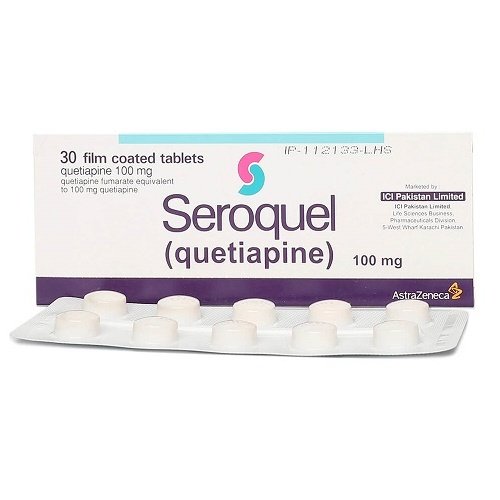
Table of Contents
- Can Seroquel Be Obtained Without a Prescription in the United States?
- Key Takeaways: Seroquel in the United States
- How Does Seroquel (Quetiapine) Work in the Brain?
- Expert Commentary from doctor
- What Is the Recommended Dosage and How Long Does Seroquel Last?
- What Foods and Lifestyle Factors Affect Seroquel?
- Who Should Not Take Seroquel? Absolute and Relative Contraindications
- What Side Effects Are Most Common with Seroquel?
- Compatibility: Seroquel with Other Medications and Substances
- Common Patient Mistakes Observed by doctor
- How Does Seroquel Compare to Alternatives?
- Questions Frequently Asked to doctor
- Seroquel Key Characteristics (Quick Reference Table)
- How to Obtain Seroquel Legally in the United States: Step-by-Step
- Is It Legal to Purchase Seroquel Online in the United States?
- How to Identify and Avoid Counterfeit Seroquel
- Original Seroquel vs Generics: What’s the Difference?
- How Is Seroquel Processed in the Body? (Pharmacokinetics)
- Can Seroquel Be Used in Special Patient Groups?
- What to Do in Case of Seroquel Overdose: Emergency Steps
- Living with Mental Health Conditions: Psychological Support Matters
- Myth vs Reality: Seroquel Expectations
- Quality Check: How Should Genuine Seroquel Look?
- Professional Opinion of doctor
- FAQ: Seroquel in United States
- References
Can Seroquel Be Obtained Without a Prescription in the United States?
No, it is illegal to purchase Seroquel (quetiapine) without a valid prescription in the United States. Seroquel is a prescription-only medication regulated by the U.S. Food and Drug Administration (FDA). Buying or using Seroquel without a physician’s prescription is prohibited and may put your health at risk.
Key Takeaways: Seroquel in the United States
- Active Ingredient: Quetiapine fumarate
- Prescription Status: Prescription-only (Rx); not available over-the-counter or without doctor approval
- Main Uses: Schizophrenia, bipolar disorder (manic and depressive episodes), adjunct in major depressive disorder (MDD)
- Onset of Action: 1.5–2 hours (oral forms), with extended-release options available
- Common Side Effects: Sleepiness, weight gain, dry mouth, constipation, metabolic changes
- Contraindications: Hypersensitivity to quetiapine, certain cardiovascular conditions, caution in elderly/dementia
- Insurance Coverage: Most commercial and Medicaid/Medicare plans cover Seroquel or its generics
- Typical Price (2026): $20–$50/month for generic quetiapine, higher for brand Seroquel
How Does Seroquel (Quetiapine) Work in the Brain?
Seroquel’s active ingredient, quetiapine, is classified as an atypical antipsychotic. It works by balancing certain neurotransmitters—specifically dopamine and serotonin—in the brain. More precisely, quetiapine acts as an antagonist at dopamine D2 and serotonin 5-HT2A receptors, meaning it blocks these receptors and dampens the overstimulation believed to contribute to psychotic and mood symptoms.
Additionally, Seroquel has a lower affinity for histamine H1 and adrenergic α1 receptors, which contributes to sedative effects and, rarely, blood pressure changes. Its activity at various receptors explains its efficacy not only in psychosis, but also in bipolar disorder and as adjunctive therapy for depression.
Simplified metaphor: Imagine the brain as a busy city at night. In disorders like schizophrenia or bipolar mania, certain traffic lights (dopamine and serotonin signals) are stuck on green, causing chaos. Seroquel acts like a traffic controller, putting some lights on red, slowing down traffic, and restoring order.
Importantly, Seroquel does not require any special triggers or conditions to work. It takes effect as soon as blood levels are adequate, which usually happens 1.5–2 hours after taking an oral dose. No need for activation by food, light, or other external factors.
For details on receptor binding and efficacy, see the FDA label and recent clinical trials (FDA; PubMed).
Expert Commentary from doctor
In my clinical experience, a common misunderstanding is that Seroquel is “just a sedative” or “only for major psychosis.” In reality, its nuanced action on multiple receptors makes it effective for a range of mood and psychotic disorders, from acute mania to adjunctive depression therapy. Patients often underappreciate the importance of steady dosing—even missing a few doses can destabilize symptoms. Another pitfall: assuming that more sedation means better symptom control, when in fact, high nighttime sedation can lead to next-day grogginess and poor adherence. I always stress to patients that symptom improvement may be gradual—sometimes weeks—especially for mood symptoms.
What Is the Recommended Dosage and How Long Does Seroquel Last?
| Indication | Initial Dose | Typical Maintenance Dose | Maximum Daily Dose | Peak Effect | Duration |
|---|---|---|---|---|---|
| Schizophrenia (adults) | 50 mg daily (split doses) | 300–400 mg/day | 800 mg/day | 1.5–3 hours | 12–24 hours (formulation-dependent) |
| Bipolar mania | 100 mg at bedtime | 400–800 mg/day | 800 mg/day | 1.5–3 hours | 12–24 hours |
| Adjunctive depression | 50 mg at bedtime | 150–300 mg/day | 300 mg/day | 1.5–3 hours | 12–24 hours |
Important: Seroquel is available in both immediate-release (IR) and extended-release (XR) forms. Do not split, crush, or chew XR tablets. Immediate-release may be split only if scored and prescribed.
- For elderly patients or those with liver/kidney impairment, starting doses are lower (often 25 mg daily).
- Always follow your doctor’s titration schedule to minimize side effects.
- Never exceed the maximum daily dose (800 mg) unless specifically instructed by a psychiatrist.
- Therapeutic effect on mood may take several weeks; some antipsychotic effects can be observed sooner.
See the full dosing guide in the FDA Seroquel label.
What Foods and Lifestyle Factors Affect Seroquel?
- Fatty Meals
- High-fat meals can delay absorption of Seroquel, especially with extended-release forms, by 1–2 hours. Take consistently with or without food, as instructed.
- Grapefruit Juice
- Strictly avoid grapefruit juice. Grapefruit inhibits CYP3A4 metabolism in the liver, potentially increasing Seroquel levels and side effect risk.
- Alcohol
- Alcohol is generally discouraged. Combining alcohol with Seroquel can enhance sedation, impair judgment, and increase risk of falls or overdose. There is no “safe” threshold.
- Caffeine
- No significant impact on Seroquel, but may worsen insomnia for susceptible individuals.
- Nicotine
- Smoking increases CYP1A2 activity (not a main pathway for Seroquel, but may alter effects of other psychiatric medications taken concurrently).
Adhering to consistent dosing routines and avoiding risky combinations ensures optimal effect and safety.
Who Should Not Take Seroquel? Absolute and Relative Contraindications
Absolute Contraindications (Never Use):
- Known allergy or hypersensitivity to quetiapine or any tablet component
- Current use of strong CYP3A4 inhibitors (e.g., ketoconazole, some HIV protease inhibitors)
- History of severe adverse reaction to Seroquel
Relative Contraindications (Use Only with Close Monitoring):
- Dementia-Related Psychosis (Elderly): Increased risk of death and stroke (FDA Black Box Warning)
- Cardiovascular disease: history of arrhythmia, recent heart attack (myocardial infarction), heart failure
- Severe liver impairment (cirrhosis)
- History of neuroleptic malignant syndrome (NMS) or tardive dyskinesia
- Concurrent use of drugs that prolong QT interval (certain antibiotics, antiarrhythmics)
- Diabetes or metabolic syndrome (risk of glucose dysregulation)
- Low white blood cell count (leukopenia)
Bottom Line: Always inform your provider about your full medical history and all medications. Seroquel may not be suitable after recent heart attacks (within weeks), or in those with unstable cardiovascular status.
For more details, see the FDA Seroquel safety warnings.
What Side Effects Are Most Common with Seroquel?
| Frequency | Possible Side Effects | Explanation / Mechanism | Recommended Action |
|---|---|---|---|
| Very Common (>1 in 10) |
Drowsiness, dry mouth, headache, weight gain, increased appetite | Histamine blockade (sedation), metabolic effects (weight/appetite) | Monitor; dose timing adjustment; dietary changes |
| Common (1 in 10–1 in 100) |
Dizziness, constipation, orthostatic hypotension (blood pressure drops), abnormal dreams, increased cholesterol/triglycerides, mild tachycardia | Adrenergic/anticholinergic effects; metabolic | Rise slowly from sitting/lying; hydrate; routine labs |
| Rare (1 in 1,000–10,000) |
Seizures, abnormal liver function tests, tardive dyskinesia (involuntary movements) | Dopamine receptor sensitivity | Immediate medical evaluation; may require discontinuation |
| Very Rare | Neuroleptic malignant syndrome (NMS), severe allergic reaction, severe arrhythmia, blood clots, priapism (prolonged erection), sudden vision loss (cataracts/retinopathy) | Complex multisystem effects | Stop medication; seek emergency care |
If you experience severe muscle stiffness, confusion, high fever, or sudden vision loss, stop Seroquel and call 911. For mild side effects, contact your prescribing provider to discuss dose adjustment or supportive measures.
Compatibility: Seroquel with Other Medications and Substances
| Product | Can be combined? | Notes / Consequences |
|---|---|---|
| SSRIs (e.g., sertraline) | Yes, with monitoring | Watch for increased side effects (sedation, serotonin syndrome rare) |
| Benzodiazepines | Cautious use | Risk of additive sedation, falls |
| Strong CYP3A4 inhibitors (ketoconazole) | NO | Dangerous increase in Seroquel levels |
| Alcohol | NO | Profound sedation, risk of respiratory depression |
| Grapefruit juice | NO | Raises Seroquel blood levels unpredictably |
| Antihypertensives | Yes, with monitoring | Possible additive drop in blood pressure |
| Stimulants (e.g., ADHD meds) | Cautious use | May blunt effects; complex interaction—consult provider |
Always provide your pharmacist and prescriber with a complete list of medications and supplements.
Common Patient Mistakes Observed by doctor
- Stopping Seroquel Abruptly: Sudden discontinuation can cause withdrawal symptoms (insomnia, nausea, return of mood/psychotic symptoms). How to avoid: Always taper gradually under medical supervision.
- Taking Seroquel “as needed” for sleep: Seroquel is not intended as a routine sleep aid and effectiveness/safety for this use is not established. How to avoid: Follow the prescribed schedule.
- Mixing with Alcohol: This potentiates sedation and can be dangerous. How to avoid: Abstain from alcohol during treatment.
- Ignoring Blood Test Monitoring: Metabolic side effects (blood sugar, cholesterol) can be silent at first. How to avoid: Attend regular check-ups and labs, typically every 3–6 months.
- Doubling Up for Missed Doses: Taking extra pills after a missed dose can lead to overdose. How to avoid: Skip missed dose if near next scheduled time—never double up.
- Obtaining from Unauthorized Sources: Counterfeit or substandard medications are a real risk if not dispensed by a licensed US pharmacy. How to avoid: Use only verified pharmacies; check that you have a valid prescription.
- Misunderstanding Extended-Release Form: Chewing or splitting XR tablets destroys the extended-release mechanism. How to avoid: Swallow tablets whole unless directed otherwise by a provider.
How Does Seroquel Compare to Alternatives?
The following table compares Seroquel (quetiapine) to two main US alternatives: Risperdal (risperidone) and Zyprexa (olanzapine), based on effectiveness, onset, side effects, and cost.
| Medication | Onset Speed | Duration | Notable Side Effects | Cost per Month (2026) | Other Notes |
|---|---|---|---|---|---|
| Seroquel (quetiapine) | 1.5–2 hours | 12–24 hours (formulation-dependent) | Drowsiness, weight gain, metabolic changes | $20–$50 (generic) | XR and IR forms; less EPS (movement side effects) |
| Risperdal (risperidone) | 1–2 hours | 12–24 hours | More movement disorders (EPS), prolactin elevation, less sedation | $15–$40 (generic) | First-line for psychosis; cheap |
| Zyprexa (olanzapine) | 1–2 hours | 24 hours | Very high weight gain, sedation, diabetes risk | $25–$60 (generic) | Potent for mania; caution with metabolic risk |
Bottom line: Seroquel may be preferable for patients sensitive to movement side effects or needing sedative action, but carries a higher risk of metabolic disturbances than risperidone. Zyprexa is potent but often avoided in those at risk for obesity or diabetes. Always tailor choice to your clinical profile.
Questions Frequently Asked to doctor
- Is it safe to take Seroquel long-term?
- With regular monitoring, Seroquel can be used safely for many years. Regular labs and check-ins are necessary to catch metabolic changes early.
- What happens if I miss a dose?
- If you miss a dose and it’s close to your next scheduled dose, skip the missed one; never double up. Missing doses regularly may destabilize your symptoms.
- Can I drink alcohol while taking Seroquel?
- Alcohol should be avoided. Even small amounts may interact and increase sedation or breathing problems, especially at bedtime.
- Can I drive or operate machinery on Seroquel?
- Seroquel can impair alertness, especially when starting or after dose increases. Avoid driving or using heavy machinery until you know how it affects you.
- Is Seroquel safe for older adults?
- Elderly patients, especially those with dementia, have a higher risk of severe side effects, including stroke. Lower doses and heightened monitoring are crucial.
- Are there interactions with common over-the-counter drugs?
- Certain antihistamines and sleep aids can increase sedation. Always check with your pharmacist before adding new medications.
- What should I do if I want to stop Seroquel?
- Never stop abruptly. Contact your provider to develop a tapering plan to minimize withdrawal and relapse risk.
Seroquel Key Characteristics (Quick Reference Table)
| Parameter | Value |
|---|---|
| Active Substance | Quetiapine fumarate |
| Prescription Required? | Yes — Rx only in United States |
| Typical Starting Dose (adults, schizophrenia) | 50 mg/day |
| Peak Effect | 1.5–3 hours after dosing |
| Duration of Action | 12–24 hours (depending on formulation) |
| Formulations | Immediate-release (IR) and extended-release (XR) tablets |
| Insurance Coverage | Most plans; generics preferred |
| Average Monthly Cost (2026) | $20–$50 (generic); $200+ (brand) |
How to Obtain Seroquel Legally in the United States: Step-by-Step
- Consult a Licensed Healthcare Provider – This may be a psychiatrist or primary care provider, either in-person or via a HIPAA-compliant telehealth service. You’ll discuss your symptoms and medical history.
- Undergo Evaluation and Diagnosis – The doctor will assess if Seroquel is appropriate based on current clinical guidelines and your health status.
- Receive a Prescription – If approved, your doctor will provide a prescription, typically via electronic prescribing (eRx) directly to your chosen pharmacy.
- Fill Your Prescription at a Licensed US Pharmacy – This can be a brick-and-mortar pharmacy in cities like New York, Los Angeles, or Chicago, or a legitimate online/mail-order pharmacy.
- Follow Up Regularly – Ongoing monitoring through scheduled appointments is necessary for safety and efficacy.
Telemedicine is a legal, safe, and convenient option for follow-up visits in most states. Always ensure your provider and pharmacy are properly licensed.
Is It Legal to Purchase Seroquel Online in the United States?
Yes, but only through US-licensed pharmacies that require a valid prescription. Any website selling Seroquel without requiring a doctor’s prescription is illegal and potentially dangerous (FDA warning). Risks include counterfeit drugs, legal penalties, and customs seizure. Licit online pharmacies display verification seals such as VIPPS (Verified Internet Pharmacy Practice Sites) or NABP certification.
Remember: A prescription is not just bureaucracy—it is for your safety, ensuring a proper diagnosis and monitoring for side effects.
For more information, see the FDA’s guide to buying medicine online.
How to Identify and Avoid Counterfeit Seroquel
- Check Packaging: Genuine Seroquel (and generics) are dispensed in labeled blister packs or bottles, with clear batch numbers, NDC code (National Drug Code), and manufacturer details.
- Tablet Description: Original Seroquel tablets are typically off-white, film-coated, with dose strength and manufacturer imprint (e.g., ‘AstraZeneca’ logo or “Q” and dose).
- Security Features: Some pharmacy bottles may include tamper-evident seals or QR codes for verification.
- Price Red Flag: Unusually low prices, especially from foreign sources, are a classic sign of counterfeit or non-equivalent medication.
- Documentation: Request a copy of the package insert and check for FDA approval markings.
If in doubt, consult your pharmacist immediately before taking the product.
Original Seroquel vs Generics: What’s the Difference?
Generic quetiapine tablets are FDA-approved and must meet the same quality, safety, and efficacy standards as brand-name Seroquel. The main differences lie in:
- Excipients (inactive ingredients): May vary slightly; rarely, sensitive individuals may have reactions to fillers or dyes.
- Tablet Shape/Color: Generics may look different but will always have identifying imprints and NDC codes.
- Cost: Generics are substantially less expensive (typically $20–$50/month vs $200+/month for brand Seroquel).
- Effectiveness: Clinically equivalent in most patients. Patient experience may vary due to perception or rare excipient differences.
Bottom line: Generics are a safe, cost-effective option for most. Discuss with your provider if you have concerns about switching.
How Is Seroquel Processed in the Body? (Pharmacokinetics)
Seroquel is absorbed through the gastrointestinal tract, reaching peak blood concentrations in 1.5–2 hours for IR forms and about 5 hours for XR. It is metabolized primarily in the liver, via the CYP3A4 enzyme. The elimination half-life is approximately 6–7 hours.
- Excretion: Metabolites are eliminated mainly via urine (73%) and feces (20%).
- Considerations: Liver impairment can prolong action and increase side effects; dose adjustment may be required.
- Implication: Patients with moderate/severe liver disease should use only under specialist supervision.
Routine liver function tests are recommended prior to and during treatment.
Can Seroquel Be Used in Special Patient Groups?
- Elderly/Dementia: Caution; higher risk of death/stroke—use only if benefits outweigh risks.
- Pregnancy: Category C (risk cannot be ruled out); should be used only if benefits justify risk to fetus.
- Breastfeeding: Quetiapine passes into breast milk in small amounts; discuss risks and benefits with provider.
- Children/Adolescents: Approved for certain indications (e.g., bipolar mania, schizophrenia in adolescents 13+); dosing is weight-based and closely monitored.
- Driving/Operating Machinery: Seroquel can impair attention and coordination. Avoid until individual response is known.
- Fertility: No direct evidence of harm, but hormonal/metabolic changes could impact reproductive health in rare cases.
Always consult your doctor for individual assessment.
What to Do in Case of Seroquel Overdose: Emergency Steps
- Stop using Seroquel immediately.
- Call 911 or your local emergency services without delay.
- Inform the medical team of:
- The amount and time of last dose
- Other medications or substances taken
- Any symptoms (e.g., extreme drowsiness, confusion, rapid heartbeat, seizures)
- Do not attempt to induce vomiting unless instructed by poison control.
- Bring the medication packaging to the emergency department if possible.
Prompt intervention can be life-saving.
Living with Mental Health Conditions: Psychological Support Matters
You are not alone—millions of Americans live with mental health conditions that benefit from medication like Seroquel. Recovery often involves therapy, support groups, and honest conversation with trusted individuals. If you’re struggling, reach out to a mental health professional or counselor for additional support. Many conditions have both biological and psychological components—addressing both leads to better long-term outcomes.
Myth vs Reality: Seroquel Expectations
- Myth: Seroquel works instantly for all symptoms.
Reality: Some effects (like sedation) are rapid, but mood and psychosis improvements often take days to weeks. - Myth: Higher doses mean better results.
Reality: Most side effects increase with dose, but benefit may not. Always follow your doctor’s titration plan. - Myth: Seroquel is just a sleeping pill.
Reality: It’s a complex antipsychotic with risks and monitoring needs; it is not approved as a primary insomnia treatment.
Quality Check: How Should Genuine Seroquel Look?
- Tablet Color: White or off-white, film-coated
- Shape: Round or oblong, depending on dose
- Imprint: Dose and manufacturer logo (“Q” or “AstraZeneca”)
- Packaging: Blister pack or pharmacy bottle with NDC code, batch number, expiration date
- Security: Tamper-evident seal; some labels include QR code or manufacturer hologram
- Accompanying Documents: FDA-approved leaflet and prescription label with your name/doctor/pharmacy details
If any of these features are missing or appear altered, consult your pharmacist immediately.
Professional Opinion of doctor
As a psychiatrist, I find Seroquel a valuable option for patients facing schizophrenia, bipolar disorder, or major depressive disorder resistant to first-line treatments. Patients who struggle with anxiety, agitation, or insomnia as part of their mental health condition may especially benefit from its profile. However, Seroquel’s risks—including weight gain, metabolic changes, and sedation—mean that close monitoring is essential. In patients with significant cardiovascular disease, diabetes, or elderly with dementia, alternative therapies may be preferable. I always individualize the risk-benefit analysis; for some, Seroquel provides stability unachievable with other agents, but it’s never a one-size-fits-all solution. Shared decision-making and regular follow-up are key to safe, effective use.
FAQ: Seroquel in United States
- Can Seroquel be used daily?
- Yes, Seroquel is prescribed for daily use and should be taken as directed by your physician.
- Is Seroquel available without a prescription?
- No, Seroquel requires a valid prescription in the United States.
- How quickly does Seroquel start working?
- Sedative effects may be felt within 1–2 hours; improvement in mood or psychosis may take several days to weeks.
- What is the price of Seroquel in the US?
- In 2026, generic quetiapine typically costs $20–$50/month; brand-name is higher.
- Can Seroquel cause addiction?
- No, it is not addictive in the classic sense, but stopping suddenly can cause withdrawal symptoms.
- Is Seroquel safe for elderly patients?
- Elderly patients have higher risk for side effects; extra caution and monitoring are required.
- Can I get Seroquel delivered to my home?
- Yes, through licensed US mail-order pharmacies with a valid prescription; avoid sites that do not require one.
- What should I do if I experience side effects?
- Contact your prescribing provider for guidance. Seek emergency care for severe reactions.
- Are generics as good as the original Seroquel?
- Yes, FDA-approved generics are equivalent in quality, safety, and efficacy.
- What happens if I take Seroquel with alcohol?
- Combining can be dangerous, causing excessive drowsiness or breathing problems. Avoid alcohol entirely while on Seroquel.
References
- FDA. SEROQUEL (quetiapine fumarate) Tablets Labeling Information. U.S. Food and Drug Administration. Accessed June 2026. https://www.fda.gov
- American Psychiatric Association. Practice Guideline for the Treatment of Patients with Schizophrenia. Accessed June 2026. https://www.psychiatry.org
- Mayo Clinic. Quetiapine (Oral Route) Description and Brand Names. Accessed June 2026. https://www.mayoclinic.org
- National Alliance on Mental Illness (NAMI). Quetiapine. Accessed June 2026. https://www.nami.org
- Preskorn SH et al. Recent advances in the pharmacology of atypical antipsychotics. PubMed. Accessed June 2026. https://pubmed.ncbi.nlm.nih.gov
- ClinicalTrials.gov. Quetiapine Studies. Accessed June 2026. https://clinicaltrials.gov
The bottom line: Seroquel is a prescription medication with proven benefits and serious risks. Only use as directed by a licensed medical professional, follow-up regularly, and obtain your medication exclusively from licensed US pharmacies. When in doubt, always consult your doctor.