
- Home/
- Buy Priligy at Low Price in the United States Online
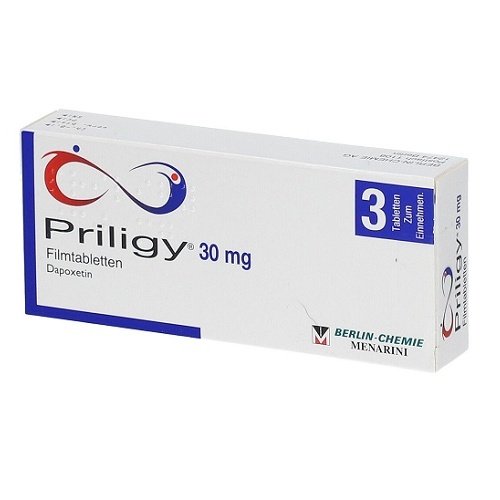
Why Priligy Stands Out in Real-Life Treatment for Premature Ejaculation
You don’t start searching for Priligy because you want a textbook explanation of how it works—you want real change. For most men who reach this point, premature ejaculation isn’t just a clinical diagnosis. It’s frustration, embarrassment, and relationships strained by unpredictability. Their partners want solutions that work—not just promises, not just hope.
What sets Priligy apart is how it fits into the actual lives of men dealing with premature ejaculation in the United States. Unlike daily antidepressants or behavioral workarounds, Priligy is designed for flexibility. You take it only when you need it—about 1 to 3 hours before sex. That’s not just convenient; for many, it’s a game-changer. This on-demand approach is possible because dapoxetine, Priligy’s active ingredient, is a short-acting selective serotonin reuptake inhibitor (SSRI) tailored specifically for rapid onset and offset. Unlike other SSRIs, it isn’t prescribed for depression or anxiety, just for premature ejaculation.
In real-world clinics across the US, Priligy’s reputation is mixed—not because it doesn’t work, but because it isn’t for every man. It’s most effective in men who have true premature ejaculation (ejaculation within about one minute, almost every time, for at least six months) and who haven’t responded well to counseling, lifestyle changes, or local anesthetics. If you’re looking for a solution that works the first time you use it, Priligy is one of the few medications that comes close.
But here’s what’s often misunderstood: Priligy does not “cure” premature ejaculation. It improves control and extends time to ejaculation when you take it—but its effect fades within a day. That’s both its strength and its limitation. If you’re hoping for a permanent fix, no pill offers that today.
How Priligy Actually Works—and Why That Matters for You
Dapoxetine, the backbone of Priligy, wasn’t an accident. It was developed because traditional SSRIs—like paroxetine or sertraline—sometimes helped premature ejaculation when prescribed for depression, but brought a host of unwanted effects and required weeks to work. Dapoxetine changes the equation by entering and leaving your system quickly, harnessing the serotonin effect only when you want it.
Here’s the clinical difference: Dapoxetine is absorbed rapidly, with peak effects reached in about an hour. Its half-life is just a few hours, which means your body clears it before you even think about your next day’s routine. That’s different from regular SSRIs, which build up in your system and can cause persistent side effects like sexual dysfunction or mood changes.
- Selective Serotonin Reuptake Inhibitor (SSRI):
- Increases serotonin activity, which delays ejaculation by modulating signals between your brain and body. Dapoxetine is the only SSRI approved in the US specifically for premature ejaculation, not depression.
For the patient, this means you control when the effect happens. There’s no daily commitment, no long-term adjustments, and—if you don’t like what you feel—no waiting weeks for the drug to wash out. But this on-demand benefit comes with a trade-off: if you don’t time it correctly or skip a dose, the benefit is gone. It’s a precision tool, not a blanket solution.
Evidence from clinical trials suggests most men taking Priligy experience a two- to threefold increase in time to ejaculation, but there’s significant variation. Some men feel only a modest improvement. For others, side effects like nausea or dizziness outweigh the benefit. What matters is how these probabilities fit with your own goals, preferences, and tolerance for risk—a point we return to throughout this article.
Dapoxetine does not interact the same way as traditional antidepressants with other medications, but it still has relevant drug interactions—especially with certain antifungals, antibiotics, and drugs that affect liver metabolism. If you take multiple medications or supplements, a careful review with your physician is essential.
Taking Priligy: What You Need to Know Before Your First Dose
The first time you fill a prescription for Priligy, it’s natural to be both hopeful and cautious. Getting the dosing and timing right is where many first-time users stumble—often because these details aren’t discussed thoroughly during the prescribing visit.
Priligy is typically prescribed as a single 30 mg tablet, taken 1 to 3 hours before anticipated sexual activity. For some men who tolerate the starting dose without significant side effects, and who need more benefit, the dose can be increased to 60 mg. But more isn’t always better: higher doses bring a sharper risk of side effects, especially dizziness, low blood pressure, and fainting.
| Dose | When to Take | Who is it for? | Clinical Notes |
|---|---|---|---|
| 30 mg | 1-3 hours before sex | Most first-time users | Start here; adjust only if needed |
| 60 mg | 1-3 hours before sex | For men not helped enough by 30 mg and who tolerate it well | Higher side effect risk; do not exceed |
Timing matters. If you take Priligy too early, the effect may be fading by the time you need it. Too late, and it may not have reached its peak benefit. Alcohol can worsen side effects—especially dizziness and low blood pressure—so most clinicians recommend minimizing or avoiding alcohol when using Priligy.
- Swallow the tablet whole with at least a full glass of water. This reduces the risk of sudden low blood pressure.
- Never take more than one dose in 24 hours.
- Don’t combine Priligy with recreational drugs or other medications that can lower blood pressure (like certain erectile dysfunction drugs) unless your doctor says it’s safe.
- If you miss the window, wait for your next planned activity—do not double up.
For men with moderate to severe kidney or liver disease, or who are over 65, Priligy is generally discouraged due to increased side effect risks. These are judgment calls that require a tailored conversation with your physician.
Which Side Effects Matter Most with Priligy—and When to Act
No medication is free from side effects, and Priligy is no exception. What makes the risk profile unique here is the rapid onset—and rapid disappearance—of both benefits and risks.
The most common side effects reported in US clinical studies were nausea, dizziness, and headache. Most are mild and resolve on their own. However, a small but significant minority of men experience severe dizziness, fainting, or sudden drops in blood pressure—especially if standing up quickly after taking the drug, or combining it with alcohol. These effects aren’t just unpleasant; they can be dangerous, especially if you’re driving or operating machinery.
| Side Effect | How Common? | When to Call Your Doctor |
|---|---|---|
| Nausea | Very common (10-20%) | If severe, persistent, or prevents eating/drinking |
| Dizziness | Common (5-10%) | If accompanied by fainting or falls |
| Headache | Common (5-10%) | If severe or not relieved by simple measures |
| Fainting (syncope) | Uncommon (<2%) | Always contact your physician if this occurs |
| Low blood pressure | Uncommon (<2%) | If symptoms include chest pain, shortness of breath, or confusion |
| Mood changes, anxiety | Rare (<1%) | If persistent, or new onset after starting Priligy |
Practically, most men tolerate Priligy well. Side effects, when they occur, usually appear within a few hours and are gone by the next day. But if you experience fainting, severe dizziness, or mood changes, contact your doctor before taking another dose. Do not drive or perform hazardous activities until you know how Priligy affects you.
“One of the most frequent misunderstandings I see is men underestimating the risk of fainting with Priligy, especially after alcohol or in hot weather. The risk is small, but it’s real. We spend extra time counseling first-time users on hydration, posture, and avoiding risky situations after the first dose. Most men have no issue, but it only takes one bad episode to learn the lesson the hard way.” — Dr. Evan Fisher, U.S. Urologist (Clinical reviewer)
Long-term safety data for dapoxetine is still somewhat limited compared to chronic SSRIs, but the on-demand use and rapid clearance offer some reassurance if you’re concerned about persistent side effects.
Priligy vs. Other Treatments: The Real-World Comparison
The US treatment landscape for premature ejaculation is crowded with options: behavioral therapy, topical anesthetics, off-label antidepressants, even over-the-counter supplements promising results they rarely deliver. Deciding where Priligy fits isn’t just a matter of mechanism—it’s about matching the solution to the patient’s needs, lifestyle, and priorities.
| Attribute | Priligy (Dapoxetine) | Paroxetine (SSRIs, off-label) | Topical Anesthetics (Lidocaine/Prilocaine) |
|---|---|---|---|
| How it works | Short-acting SSRI, on-demand use | Daily antidepressant, off-label for PE | Local nerve numbing spray/cream |
| Onset of effect | 1-3 hours after dose | 2-3 weeks for effect | 5-15 minutes before sex |
| Duration of effect | Up to 12 hours | Continuous (with daily dosing) | Short (1 sexual event) |
| FDA approval for PE | Yes (on-demand use) | No (off-label only) | No (on-label for local anesthesia, not PE) |
| Common side effects | Nausea, dizziness, headache, fainting | Mood changes, sexual dysfunction, weight gain | Numbness, reduced sensation, partner transfer |
| Ease of use | Pill, taken only when needed | Daily pill | Topical application, can be messy/disruptive |
| Prescription required in US? | Yes | Yes | No (many available OTC) |
| Insurance coverage | Varies, limited; often out-of-pocket | Likely if prescribed for depression, not PE | No |
Practical takeaway: Priligy’s strongest advantage is its flexibility and speed—on-demand dosing with rapid effect. Off-label SSRIs require a daily routine and bring side effects that persist well beyond sexual activity. Topical anesthetics are convenient but can reduce sensation for both partners and sometimes cause irritation. For men who want a prescription option that only acts when needed and doesn’t affect mood or sexual function long-term, Priligy stands alone.
Insurance coverage remains a barrier for many US patients. While Priligy is FDA approved for premature ejaculation, many plans classify it as a “lifestyle medication” and may not cover it. This is less true for SSRIs prescribed for depression, though these are not FDA approved for PE.
Accessing Priligy in United States: Cost, Insurance, and Pharmacy Rules
Getting Priligy in the US is less straightforward than picking up a common antibiotic or blood pressure pill. It requires a valid prescription from a licensed healthcare provider—usually a primary care doctor or urologist. You cannot buy Priligy over-the-counter or legally import it through online pharmacies without a prescription.
- First, see a doctor—either in person or via telemedicine—to confirm the diagnosis of premature ejaculation. Guidelines recommend ruling out other causes and trying behavioral approaches before medication.
- After a prescription is written, most major chain pharmacies can fill it, but some may not routinely stock Priligy. Call ahead or use the pharmacy’s online inventory tool.
- Insurance coverage is highly variable. Many plans exclude Priligy as a lifestyle treatment, meaning you may pay out-of-pocket. Prices at retail pharmacies can range from $20-40 per tablet, sometimes higher. Discount programs and pharmacy coupons may reduce cost, but generic options are limited.
- Mail-order and telemedicine platforms have emerged, sometimes offering better pricing or privacy, but always verify the provider is licensed and the medication is FDA approved for use in the US.
- Reimbursement for Priligy is uncommon. Appeal processes exist, but few patients succeed unless there’s a documented medical need and failure of other treatments.
The US Food and Drug Administration (FDA) regulates all prescription medications, and Priligy is not available without their approval. Importing dapoxetine from international sources without a prescription is illegal and potentially unsafe.
For men who are cost-sensitive or lack insurance, alternative approaches—like behavioral therapy or topical anesthetics—may be more affordable, but may not offer the same on-demand, systemic effect. The real-world access landscape for Priligy is improving, but as of 2024, it remains a medication you plan for, not one you casually pick up.
When Not to Take Priligy: The Non-Negotiables—and the Gray Areas
- Have significant heart disease—including heart failure, rhythm disorders, or a history of fainting (syncope)
- Are taking monoamine oxidase inhibitors (MAOIs) or thioridazine, or have recently stopped taking them
- Have moderate or severe liver disease
- Are allergic to dapoxetine or any component of Priligy
Relative contraindications—situations that require extra caution or medical judgment:
- Use of potent CYP3A4 inhibitors (such as ketoconazole, ritonavir, or some antibiotics): These drugs increase dapoxetine levels and risk of side effects; often, Priligy should be avoided.
- Use with other SSRIs or serotonin-modulating drugs: Raises the risk of serotonin syndrome, a rare but serious complication.
- Significant kidney disease: The safety of Priligy in this population is not well studied.
- History of mood disorders (depression, bipolar, mania): Dapoxetine is designed not to affect mood, but rare psychiatric side effects have been reported. If you have a psychiatric history, discuss with your doctor before use.
- Age over 65: Safety and effectiveness are not established; most US prescribers avoid Priligy in this group.
In all these cases, your physician’s judgment is critical. There are situations where the balance of risks and benefits shifts—sometimes unexpectedly.
FAQ: Priligy—Answers to Questions You Won’t Hear in the Pharmacy Line
- How fast does Priligy work and how long does it last?
- Priligy takes effect within 1 to 3 hours after a dose, so it should be timed before planned sexual activity. Its effect generally lasts up to 12 hours, after which it leaves your system quickly. This means you only experience benefit—and side effects—on the day you take it.
- Can I use Priligy with Viagra or other erectile dysfunction medications?
- Combination use is possible, but increases the risk of low blood pressure, dizziness, and fainting. Always discuss this combination with your doctor before trying it, and never take both medications together without medical supervision.
- Is Priligy covered by insurance in the United States?
- Coverage is inconsistent and often limited, as many insurers classify Priligy as a lifestyle medication. Check with your plan, and be prepared for out-of-pocket costs. Some telemedicine platforms may offer discount programs.
- Does Priligy cure premature ejaculation permanently?
- No. Priligy is effective while you take it, but it does not provide a permanent cure. Its benefit is for the event—once it leaves your system, your baseline timing returns to normal.
- What should I do if I feel dizzy or faint after taking Priligy?
- Lie down with your legs elevated and avoid standing up quickly. If fainting persists, or you experience chest pain or confusion, contact your doctor immediately. Avoid driving or operating machinery until you know how you react to the medication.
- Can I drink alcohol when taking Priligy?
- Alcohol increases the risk of dizziness and fainting. It’s safest to avoid alcohol on days you plan to use Priligy. If you choose to drink, limit your intake and be cautious with your activity level.
- Is Priligy available as a generic in the United States?
- As of 2024, generic dapoxetine is not widely available in the US. Most pharmacies dispense brand-name Priligy. Imported generics may not be legal or safe—always verify the source and ensure you are following FDA guidelines.
Sources / References
- U.S. Food and Drug Administration (FDA)
- Mayo Clinic—Premature Ejaculation
- American Urological Association. Diagnosis and Management of Premature Ejaculation Guideline, 2024
- PubMed—Dapoxetine Clinical Trials
- Priligy Official Manufacturer Site
- ClinicalTrials.gov—Dapoxetine Studies
- FDA Prescribing Information for Priligy. U.S. FDA, 2024
- International Society for Sexual Medicine (ISSM). Premature Ejaculation Guidelines